
If you’re considering facial plastic surgery, you’ve probably thought a lot about the recovery, the healing process and your final results.
You may have thought much less, if at all about how your hair will respond to being disrupted by the incisions. Yet for many patients undergoing procedures such as facelifts, brow lifts or temporal lifts, changes around the hairline and scalp can become one of the most unexpected parts of recovery.
“Hair follicles are extremely sensitive structures. Even when the surgery itself is successful, the follicles surrounding incision sites are still responding to inflammation, tension, changes to circulation and the physical disruption created during healing,” explains Trichologist Ricardo Vila Nova.
This can lead to thinning around the temples, localised shedding, and the areas surrounding incisions behaving differently for months after surgery. In most cases, the changes are temporary, but understanding why they happen, and how to support recovery, can make the process feel far less alarming and go more smoothly.
Thinning and shedding
Procedures such as facelifts and brow lifts often involve incisions placed around the temples, ears or within the hairline itself.
“Any time the scalp or surrounding skin is surgically altered, there is some level of stress placed on the follicles in that area,” says Vila Nova. “The body initiates an inflammatory healing response, and during that process some follicles can prematurely shift into the shedding phase,” explains Vila Nova.
This shedding does not usually happen immediately. Instead, patients often notice thinning several weeks or months later, once the initial recovery period has passed.
“The delay is what catches people off guard,” adds Vila Nova. “The surgery appears healed, then suddenly the patient notices reduced density near their scars. The thing is hair operates on its own timeline, so despite the fact that follicles were disrupted months before, the result of that temporary trauma often presents later.”
The anaesthetic used during surgery can also contribute to post-operative shedding in a way that many patients don’t anticipate. General anaesthesia places significant physiological stress on the body, and that stress can trigger telogen effluvium. This is a condition in which a large number of follicles are simultaneously pushed into the resting and shedding phase. “When this happens people can experience diffuse shedding across the scalp, not just around the incision sites, typically becoming visible two to four months after the procedure,” explains Vila Nova. “It can be alarming because it appears widespread rather than localised, but in the vast majority of cases it is temporary, and with the right scalp support the cycle corrects itself over time,” he adds.
When it comes to thinning a major contributing factor is tension. When skin is repositioned and tightened during procedures such as facelifts, tension can extend into the scalp and hairline. “The scalp is part of the same connected tissue network as the face,” says Vila Nova. “If there is excessive tension during closure, that strain can affect the follicles surrounding the incision. Over time, this may contribute to localised thinning or weakened hair production around the scar itself,” he explains.
Treatment tips
Hair recovery around surgical scars is rarely immediate. “Follicles need time to stabilise after inflammation, even temporary shedding can take several months to improve because hair grows in cycles rather than continuously,” explains Vila Nova. In mild cases, regrowth may begin becoming noticeable within three to six months. More significant disruption around incision sites can take longer, particularly if the scalp remains inflamed or tight.
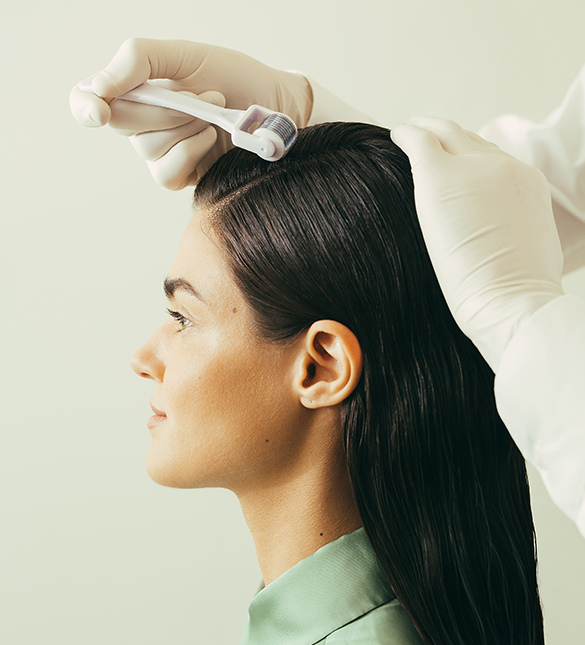
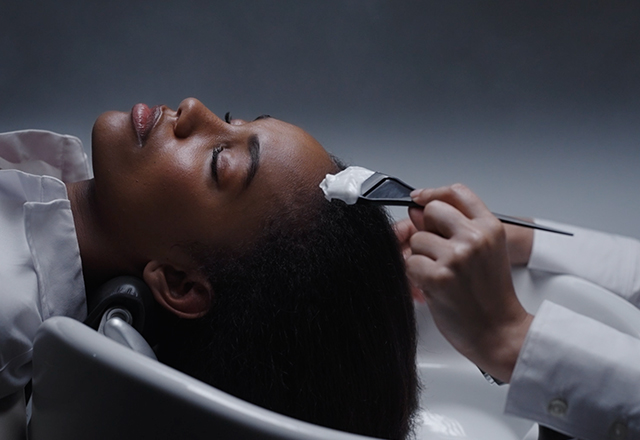
“The earlier the scalp environment is supported, the better the long-term outcome tends to be. The goal is to minimise ongoing inflammation and improve the conditions surrounding the follicle while healing continues. At 212.2 Ricardo Vila Nova, we do this by reducing stress within the scalp. Overloading the area with harsh actives, excessive heat or tension can prolong inflammation around already stressed follicles. Instead, recovery should focus on supporting circulation, calming inflammation and maintaining scalp health while the tissue heals. Microneedling can help stimulate repair pathways and encourage healthier follicle activity over time. While low-level laser therapy supports cellular energy production, and cell communicating biosomes help calm inflammation, repair damage and support the scalp environment,” explains Vila Nova.
At home, gentle cleansing, avoiding tight hairstyles and minimising heat around incisions can all help reduce additional stress on vulnerable follicles.
Scarring
Scars can influence hair growth in several ways. In some patients, hair grows back normally through the surrounding area once inflammation settles. In others, scar tissue changes the environment enough that follicles struggle to function efficiently.
“Healthy follicles rely on strong circulation, oxygen delivery and a flexible surrounding structure. But scar tissue is structurally different from normal skin, it’s denser, less elastic and can alter blood supply to nearby follicles,” reveals Vila Nova.
This can result in scars appearing wider or more visible over time, particularly around the temples and hairline where density is naturally finer. In more severe cases, follicles directly damaged during surgery may stop producing hair altogether, creating small permanent gaps around the incision line.
“This is more typical if there has been excessive tension, compromised healing or poor scar formation,” says Vila Nova. “But in many cases, follicles are not permanently lost. They are simply functioning sub-optimally while the area recovers,” he adds.
Treatment tips
“Recovery should focus on improving the condition of the scalp environment itself rather than simply trying to accelerate growth as quickly as possible,” believes Vila Nova.
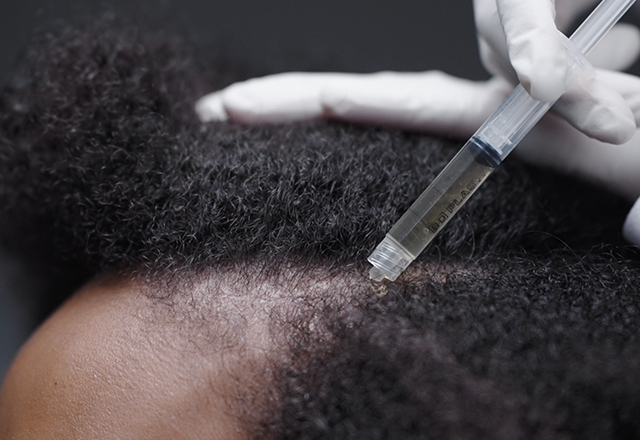
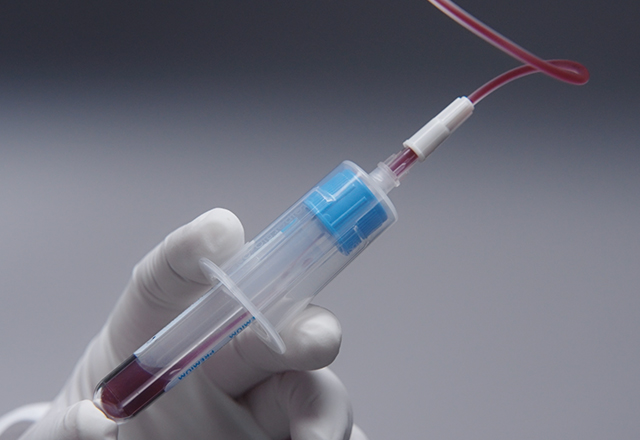
In clinic, treatments such as PRP are often used to support healing around compromised areas like surgical scarring. “Rich in growth factors, PRP can help encourage tissue repair, improve circulation and support healthier follicular function around the scar line over time. Microneedling may also be introduced carefully to help soften denser scar tissue and stimulate collagen remodelling within the scalp, particularly where the area feels tight or uneven, explains Vila Nova. The goal is to improve the quality and flexibility of the tissue surrounding the follicle.
Vila Nova also notes that, “when the scalp environment becomes healthier and better hydrated, follicles are often able to function more effectively again.” This means hydration-focused scalp treatments can also play an important role during recovery, helping to support barrier function and reduce the dryness and tightness that often develops around healing scars.
At home, maintaining moisture within the scalp becomes particularly important. “Over-cleansing, excessive heat styling and harsh exfoliating products can all further dry out tissue that is already more fragile following surgery. Instead, gentle cleansing, regular scalp hydration and minimising tension around incision sites can help support healthier healing over the months that follow,” shares Vila Nova. By supporting the scalp consistently during your recovery period, you can make a significant difference to how both the tissue and surrounding hair ultimately recover.
Patience is key
Hair recovery post facial surgery is gradual. “The focus should not simply be on regrowing hair quickly, but on restoring the quality of the scalp environment so follicles can function properly again over time. Because while scars may eventually fade into the background, the health of the follicles surrounding them often determines how invisible those incisions ultimately become,” shares Vila Nova. So, be patient, invest in in-clinic treatments and the right at-home haircare.
For a post-facial surgery hair consultation and treatment plan book using the link below.