

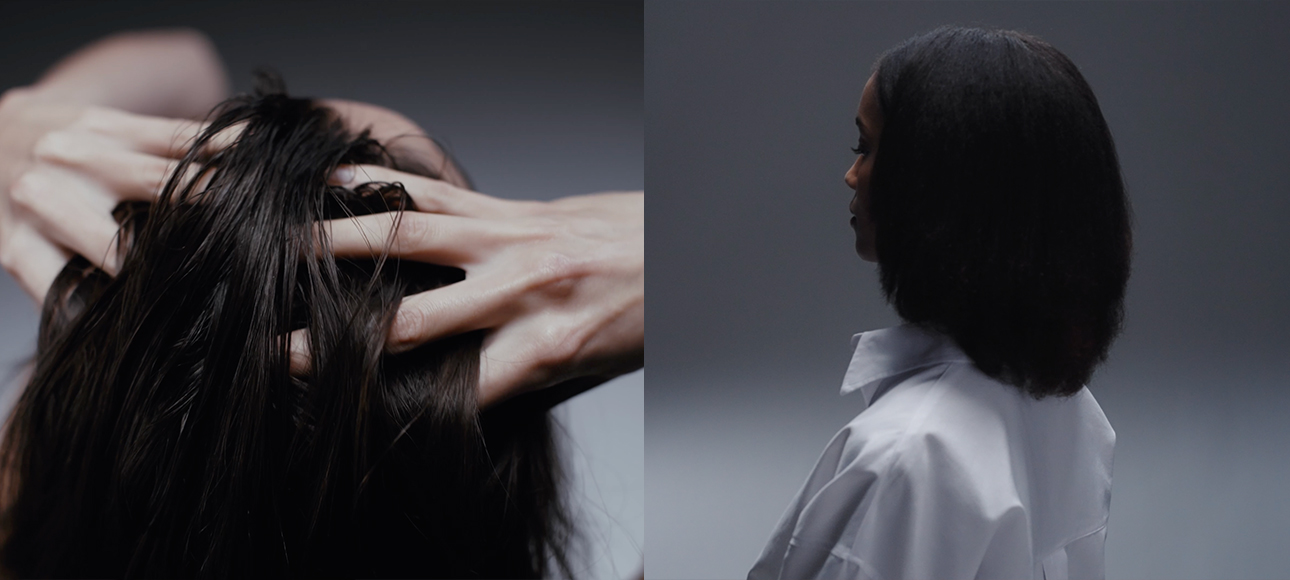
If you’ve noticed thinning at the temples, edges that no longer grow back the same way, and increased scalp tenderness - you may well be suffering from traction alopecia.
The hair loss can be pretty subtle at first, and because the condition is gradual many people don’t realise damage is occurring until their hairline has already significantly receded.
This hair loss condition can affect all hair types; however, it is particularly prevalent among women with afro-textured hair, including curls, coils and kinks, largely due to the styling practices used amongst those with this hair type.
Traction alopecia explained
“Traction alopecia is caused by repeated tension placed on the follicle over time. The follicle experiences chronic mechanical stress, which creates inflammation around the root and gradually weakens its ability to produce healthy hair,” explains trichologist, Ricardo Vila Nova.
Unlike sudden shedding conditions, traction alopecia develops progressively, and it’s styles like tight braids, weaves, glued wigs, slicked-back looks, straight blow-outs, relaxed tresses and repeated tension around the hairline that contribute to cumulative stress on the follicle. The result looks like a thinning, patchy hairline due to hair being lost. But is that hair loss permanent?
“If styling practices remain the same, the chronic inflammation caused can lead to the total destruction of the hair follicle, also known as scarring. At this point the hair follicle will no longer be able to produce hair and the hair loss becomes irreversible. But if caught on time then reviving follicles and achieving regrowth is possible,” reveals Vila Nova.
Why afro-textured hair is more vulnerable
Afro-textured hair is not weaker than other hair types, but its structure does make it more vulnerable to certain forms of damage. The natural bends and curves within curly and coily strands create multiple points of fragility along the fibre. “This hair type also tends to be naturally drier because sebum struggles to travel evenly down the hair shaft. This means the fibre can become more vulnerable to breakage when combined with tension, heat or chemical processing,” explains Vila Nova.
Protective styles like braids, twists, wigs, and weaves are not necessarily the problem. In fact, they can help minimise daily manipulation when done correctly. The issue is usually the level and duration of tension applied repeatedly over time.
“The follicle is designed to tolerate some degree of stress,” says Vila Nova. “But constant pulling around the same areas, particularly the temples and hairline, creates ongoing inflammation. Eventually the follicle begins producing finer, weaker hairs before growth may stop altogether.”
Extensions deserve a particular mention here. Whether clip-ins, tape-ins, sewn-in wefts or bonded attachments, extensions add weight and tension to your hair and scalp that accumulates over time. The heavier the extension, the greater the pull on the follicle, and when that weight is concentrated repeatedly in the same areas, particularly around the hairline and temples, it can become a significant driver of traction alopecia even in people who don’t wear particularly tight styles.
“Extensions are not inherently problematic, but they need to be applied correctly by a qualified professional who understands the relationship between weight, tension and follicle health,” says Vila Nova. “An inexperienced application can place uneven or excessive stress on the hairline without you being aware of it until the damage is already visible, adds Vila Nova.”
How to support recovery
The first and most important step is reducing tension entirely or significantly changing styling practices. Styles should not feel painful, tight or leave the scalp tender afterwards.
“There is a misconception that tighter styles last longer or look neater. But pain is not normal. If the scalp feels tight or inflamed after styling, the follicles are already under stress. Heat and chemical processing may also need reassessing, particularly around fragile edges and thinning areas where the hair is already weakened, as repeated heat or chemical stress on top of existing inflammation increases the likelihood of further breakage,” says Vila Nova.
At home, scalp care becomes particularly important. Product build-up, excess oil and inflammation can further compromise already stressed follicles. This makes the use of clarifying shampoos and anti-inflammatory scalp care key.
But note that reversal of traction alopecia takes time. “People often expect visible regrowth within weeks after changing their styling habits, but follicle recovery is gradual,” says Vila Nova. “The focus should be on restoring a healthier scalp environment first, so that once inflammation reduces and circulation improves, the follicle is in a better position to resume healthier growth,” he adds.
In-clinic treatments
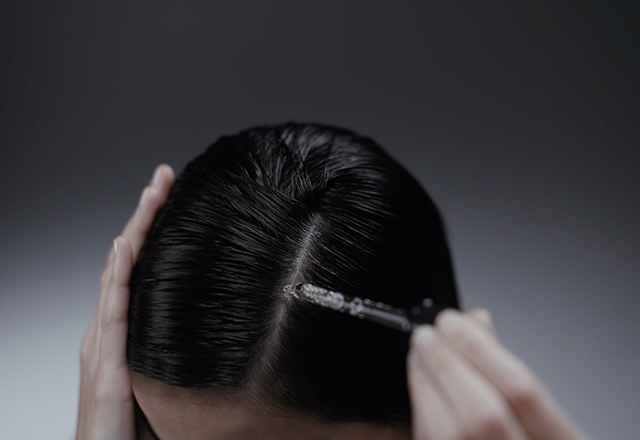
At 212.2 Ricardo Vila Nova, treatment plans are tailored to the individual, but often include therapies designed to calm inflammation and improve follicle function. “Low-level laser therapy supports cellular energy production and circulation within the scalp, while microneedling can also help stimulate repair pathways while improving receptivity to targeted therapies,” explains Vila Nova.
Biosome therapy may also be used in areas where the scalp is inflamed, depleted or slow to recover. Biosomes are regenerative messenger molecules that help support cellular communication within the scalp, encouraging a calmer, healthier environment around the follicle. “In traction alopecia, that matters because the follicle is often inflamed, weakened and struggling to produce a strong fibre. By calming inflammation and supporting repair, we can help create better conditions for healthier regrowth where the follicle is still active,” shares Vila Nova.
Beyond the hairline
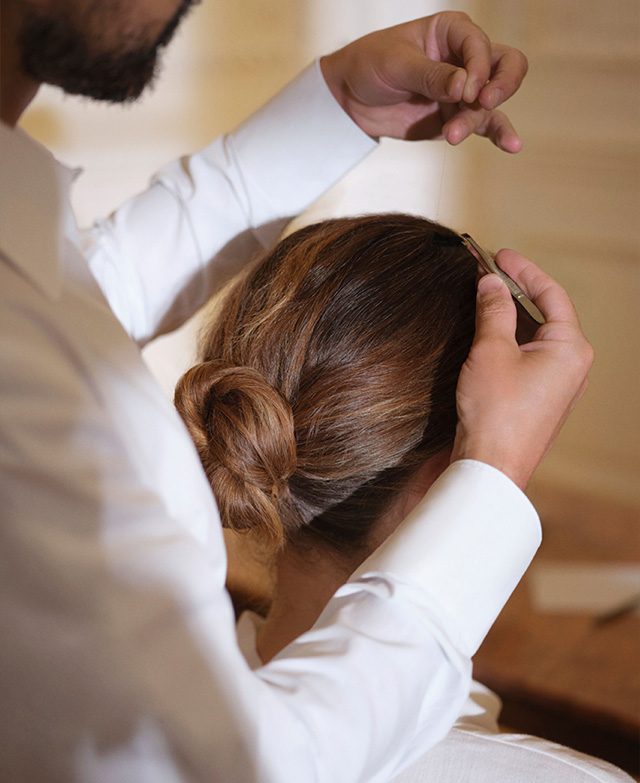
One of the most overlooked aspects of traction alopecia is that the rest of the hair also requires support. Constant tension does not only affect the edges. It can impact overall density, fibre quality and scalp health across the entire head.
“Healthy hair growth is not simply about maintaining edges. The overall condition of the scalp and fibre matters. Long-term tension can affect the quality of hair being produced more broadly,” explains Vila Nova. Meaning treatments shouldn’t simply focus on the hairline alone but the whole head.
The key to treating traction alopecia is consistent care to reduce inflammation across the whole scalp, and reduce stress and tension on the follicles. Do that and your hair should return.
To discover whether you have traction alopecia and for a personalised treatment plan book a consultation using the link below.

