
Did you know that how old you are and how old your body actually is can be two very different numbers?
Your chronological age is simply the number of years you’ve been alive. Your biological age, however, reflects how well your cells, tissues and organs are functioning. Influenced by factors such as genetics, diet, exercise, stress, sleep, smoking and environmental exposures, your biological age can be younger or older than your birth certificate indicates.
The same principle applies to hair. “Two people born in the same year can have hair that tells completely different stories: one with thick, glossy, resilient strands, the other experiencing thinning, dullness, reduced density and slower growth decades earlier than expected,” explains Ricardo Vila Nova. “Hair ageing is real, measurable and influenced by far more than genetics. Understanding what drives it, and what can be done to slow or reverse it, starts with understanding what is actually happening inside the follicle,” he adds.
The biology of hair ageing
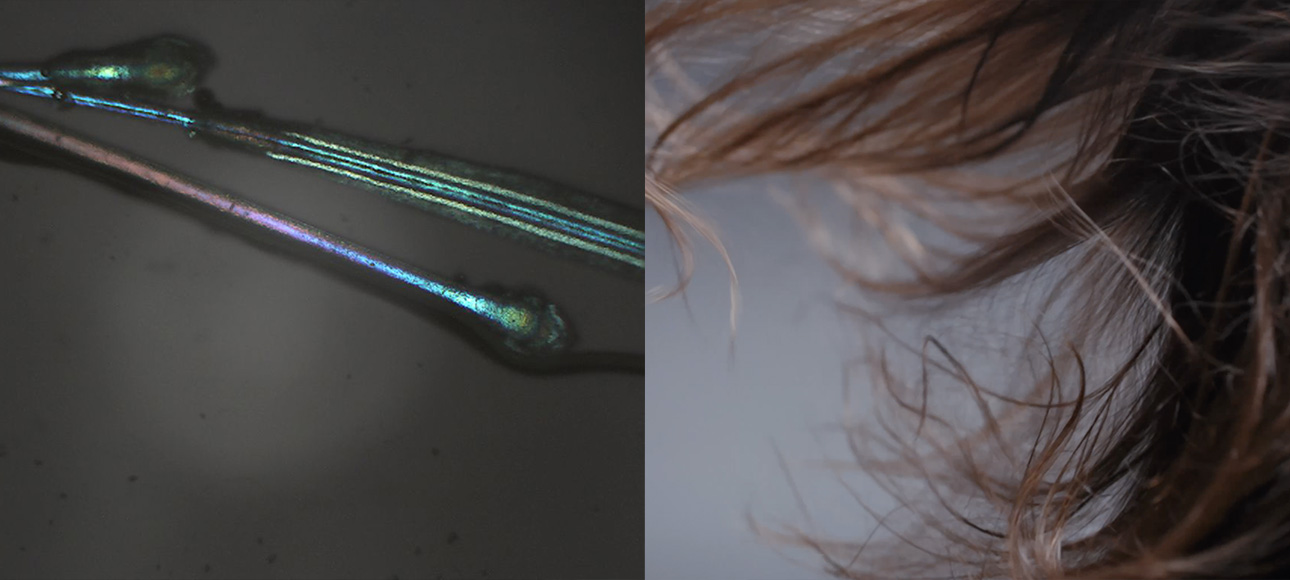
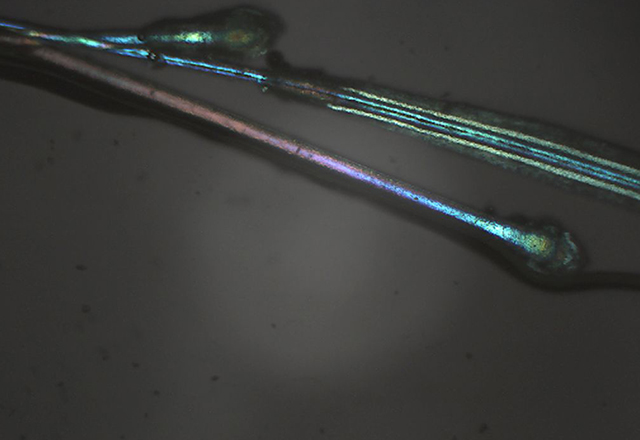
Hair grows from follicles embedded in the scalp, each cycling through phases of active growth, transition and rest. In younger, healthier hair, the active growth phase is long, and this is what allows hair to grow dense, strong and full of length. “As hair ages, that active growth phase shortens. The follicle spends less time actively growing and more time resting, which is why hair becomes finer, less dense and slower-growing over time,” explains Vila Nova.
At a cellular level, ageing follicles accumulate oxidative damage, lose their regenerative stem cell populations and produce less melanin, which is what causes the shift to grey. “The dermal papilla, the structure at the base of the follicle that controls growth signals, becomes less responsive too. The scalp itself becomes drier, less elastic and more prone to inflammation. Each of these changes compounds the others,” adds Vila Nova.
Why some hair ages faster
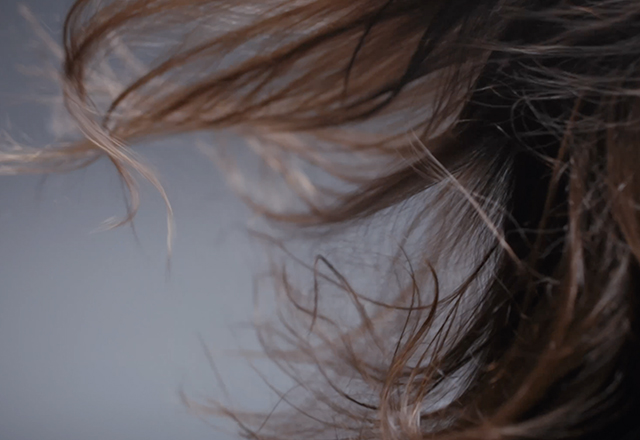
Your genetics determine the baseline, ie, the age at which greying typically begins, the degree of follicle sensitivity to androgens and the inherited patterns of hair loss. But genetics are only part of the picture, and often not the largest part. “Hair is the mirror of your hormones,” Vila Nova notes. “Hormonal fluctuations, whether from thyroid dysfunction, perimenopause, postpartum changes or elevated androgens, have a direct and measurable impact on the follicle cycle and can accelerate ageing significantly.”
Chronic inflammation is also one of the most significant but least-discussed drivers. “When the scalp is in a state of persistent low-grade inflammation (driven by microbiome imbalance, product build-up, excess sebum, pollution or systemic stress) the follicle’s immediate environment becomes hostile. Inflammatory signals shorten the growth phase, increase the rate of shedding and, over time, can contribute to follicle miniaturisation. Hair doesn’t have to be visibly inflamed for this process to be underway,” says Vila Nova.
UV exposure is another accelerant that is consistently underestimated. Just as UV radiation degrades collagen and elastin in the skin, it damages the proteins within the hair shaft and generates free radicals that affect the follicle and scalp. “Exposure to pollution, as well as stress, poor nutrition, crash dieting and rapid weight loss, compound this by redirecting resources away from hair, pushing follicles prematurely into the resting phase,” Vila Nova explains.
The signs of premature hair ageing
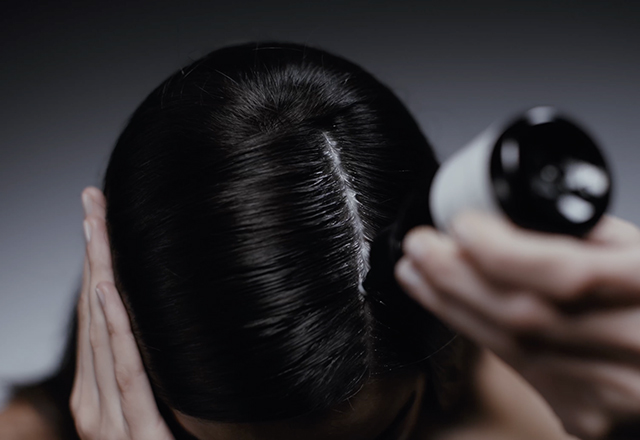
Premature hair ageing doesn’t just look like hair loss, instead it comprises everything from reduced density across the scalp rather than a defined recession pattern, to a change in the calibre of individual strands, with hairs growing back finer and weaker than before as well as slower growth, increased shedding, loss of natural lustre and a scalp that feels persistently dry, itchy or reactive.
The role of the scalp
Vila Nova has long argued that the scalp deserves the same level of attention and care as the skin on the face, an approach that was considered unconventional when he first began working this way, but is now widely recognised as the foundation of effective hair health. “The scalp hosts a microbiome, a complex community of microorganisms that regulates inflammation, maintains the barrier and supports follicle function. When that balance is disrupted, the consequences reach the follicle directly,” he explains.
Scalp circulation is also important, as blood flow delivers the oxygen, glucose and amino acids that the follicle requires to sustain active growth. “When circulation is compromised through tension, chronic stress, sedentary habits or simply the natural decline in vascular health that comes with age, the follicle receives fewer of the resources it needs, and the growth phase shortens accordingly,” adds Vila Nova.
Treatments that target hair ageing
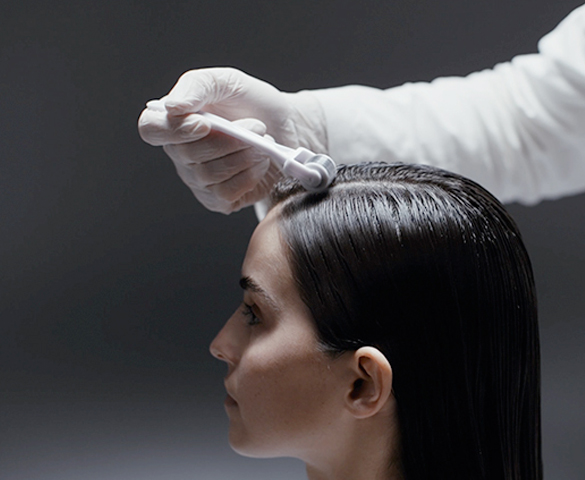
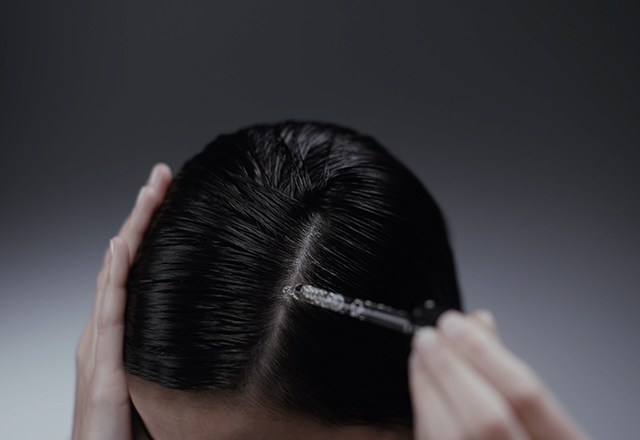
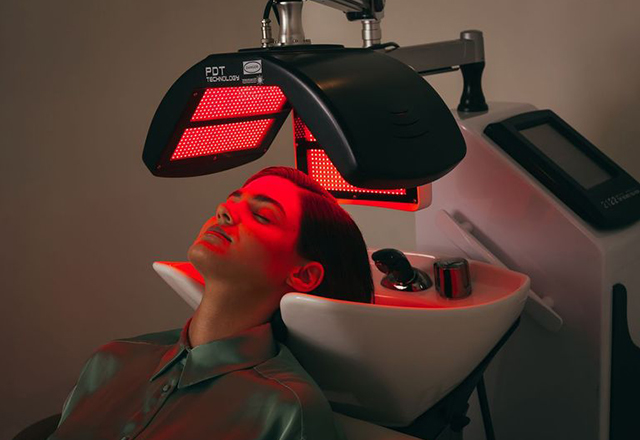
The good news is that many of the factors that accelerate hair ageing are modifiable. “Reducing the inflammatory load on the scalp through targeted scalp detoxification, microbiome-supportive care and the removal of known irritants can meaningfully extend the growth phase. Improving scalp circulation through microneedling, mesotherapy and low-level laser therapy supports the follicle’s energy supply and nutrient delivery, encouraging hair to remain in active growth for longer,” says Vila Nova.
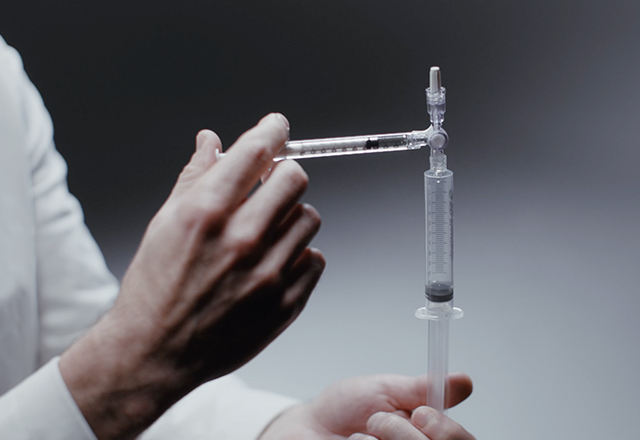
Microneedling and mesotherapy are often used together to improve the scalp environment. While microneedling creates controlled microchannels that stimulate the body’s natural repair response, collagen production and circulation, mesotherapy delivers carefully selected active ingredients directly into the scalp to nourish the follicle and support healthy function. Used in combination, they help reduce inflammation, improve the delivery of regenerative ingredients and create the conditions that encourage follicles to remain in the active growth phase for longer.
PRP (platelet-rich plasma) and low-level laser therapy (LLLT) support hair health in different but complementary ways. PRP harnesses the body’s own growth factors to encourage tissue repair, cellular regeneration and healthier follicle signalling, while LLLT uses specific wavelengths of light to stimulate cellular energy production, improve circulation and optimise follicle function. “Hair ageing is driven by multiple biological processes, so there is rarely a single treatment that provides the answer,” explains Vila Nova. “The most successful treatment plans are those that focus on hair longevity, maintaining healthy follicle function before significant thinning or miniaturisation has occurred.”
Personalisation is key
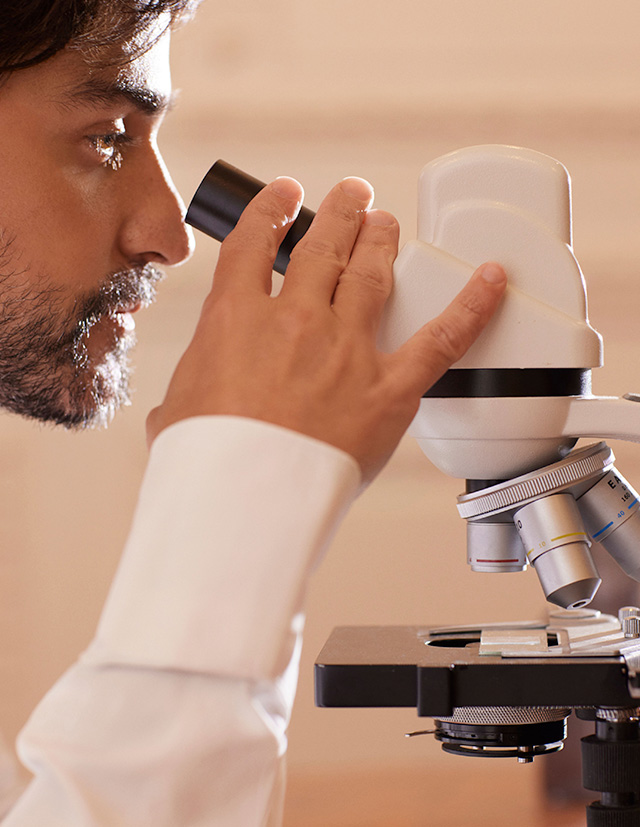
At 212.2 Ricardo Vila Nova, the starting point is always a Hair DNA Scan: a diagnostic process that identifies the specific hormonal, nutritional, genetic and environmental factors influencing each individual’s hair, enabling a treatment strategy that responds to the actual biology rather than working against it.
Then a personalised treatment protocol addresses the factors that are ageing your tresses. “Hair age is not fixed. It responds to what you do, what you expose it to, and how well you support the environment in which it grows. The earlier that environment is understood and addressed, the more that can be preserved,” concludes Vila Nova.
To slow down your hair ageing, book a Hair DNA Scan using the link below.