
Everyone is talking about peptides, and one of the most raved about for its beauty benefits is GHK-Cu.
A naturally occurring copper peptide complex found naturally in humans, it has been studied by researchers since the 70s, and is now rapidly crossing into mainstream hair health conversations, appearing in scalp serums, supplements and injectable protocols.
The claims are impressive: stronger follicles, reduced shedding, improved density, and thicker strands. But what exactly is GHK-Cu? And does the evidence live up to the claims? Ricardo Vila Nova reveals all…
GHK-Cu explained
GHK-Cu is a tripeptide, aka a chain of three amino acids (glycine, histidine and lysine), that naturally forms a complex with copper ions in the body. It is found in blood plasma at relatively high concentrations in young people, but levels decline significantly with age. This decline is considered meaningful because GHK-Cu functions as a signalling molecule, communicating with cells and tissues to initiate repair, regulate inflammation and support the production of structural proteins including collagen and elastin.
When it comes to our hair, there’s also a “growing body of research exploring its role in the hair follicle environment, and what it can do when applied or delivered directly to the scalp, as its mechanisms are relevant to the conditions that allow follicles to thrive,” says Ricardo Vila Nova.
GHK-Cu and your follicles
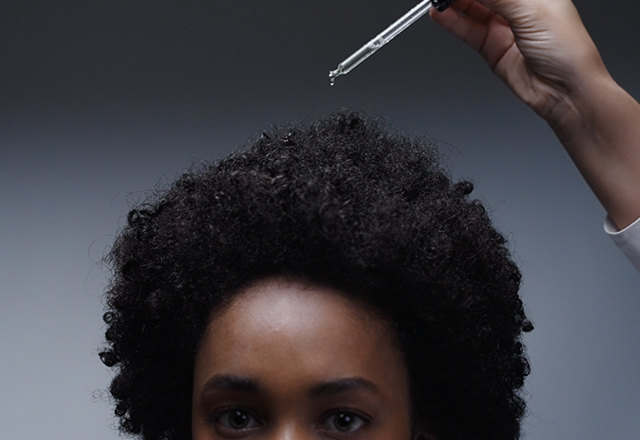
Research suggests GHK-Cu influences the hair follicle through several distinct pathways. It activates the Wnt/beta-catenin signalling pathway, a key biological mechanism that regulates follicle cycling and pushes follicles from the resting phase back into active growth. It also stimulates the dermal papilla cells at the base of the follicle, which are responsible for generating the growth signals that initiate and sustain hair production.
“What makes GHK-Cu particularly interesting from a trichological perspective is its anti-inflammatory action. Chronic scalp inflammation is one of the primary drivers of premature follicle miniaturisation and accelerated hair ageing. An ingredient that can reduce that inflammatory load while simultaneously supporting the signals for active growth is addressing two of the most important factors in hair health at once,” explains Vila Nova. “It also supports collagen production in the scalp, which improves the structural environment surrounding the follicle, helping support healthier, stronger hair growth over time,” he adds.
The evidence
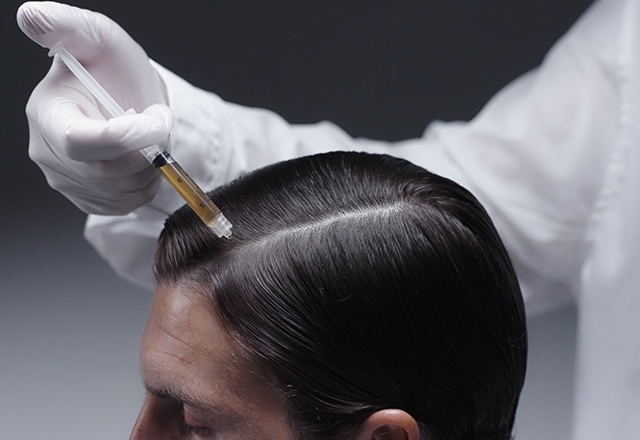
The science on GHK-Cu is actually more developed than the claims made by a host of other emerging hair ingredients. In vitro studies have demonstrated that GHK-Cu can enlarge hair follicle size and extend the anagen (active growth) phase. And a 2024 combination therapy study reported a median regrowth of 35.5% in treated scalp areas after five monthly sessions. While animal studies have shown increases in hair density and follicle activity following topical application.
“The evidence is genuinely promising, but it is important to read it accurately. GHK-Cu is not a standalone cure for hair loss, particularly where the cause is hormonal, genetic or linked to significant systemic imbalance. What the research does support is its role as a meaningful component of a broader hair health strategy: reducing inflammation, improving the scalp environment and supporting the conditions in which follicles can function optimally,” says Vila Nova.
Who could benefit
GHK-Cu is most likely to be beneficial for those whose follicles are still biologically active but operating in a compromised environment, where inflammation, oxidative stress or declining cellular signalling are limiting their function. “That describes a very large proportion of the people who come to us concerned about thinning, reduced density or slower growth. Where follicles have been permanently destroyed through advanced scarring alopecia, no topical or injectable ingredient will reverse that. But for the many people in the earlier and middle stages of hair ageing, supporting the follicle environment with ingredients like GHK-Cu can make a meaningful and measurable difference,” explains Vila Nova.
Availability options
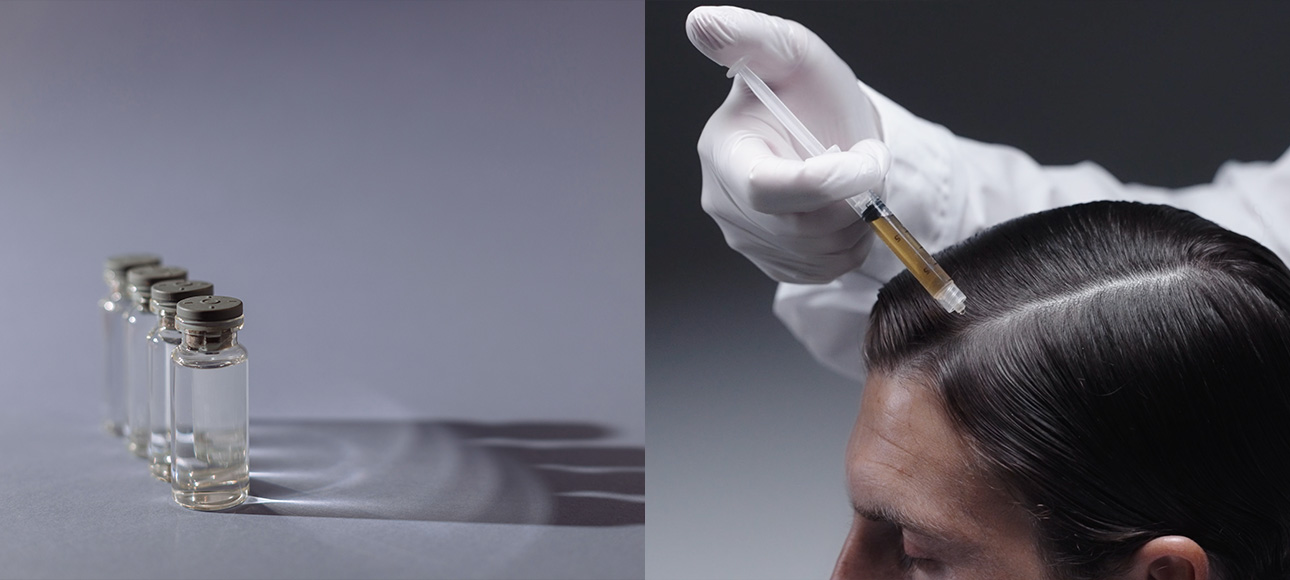
GHK-Cu is available in topical haircare, oral supplements and as an injectable, and each route has different implications for bioavailability ie, how much of the ingredient actually reaches the follicle. Topical application is the most accessible but penetration through the scalp barrier varies depending on the formulation, though microneedling helps create channels for the copper peptide to penetrate deeper than it would if simply massaged into the scalp. Injectables deliver the compound more directly to the follicle environment, while oral supplements are less direct. They must first pass through the digestive system before being absorbed and distributed throughout the body, making it less certain how much GHK-Cu ultimately reaches the scalp and hair follicles.
“Delivery matters enormously with any active ingredient, and whatever the impressive claims, GHK-Cu products are only as effective as their ability to reach the target tissue at a meaningful concentration. This is why professional assessment and treatment remain important, the right approach depends on the individual’s hair health, the stage of any hair loss, and what combination of interventions is most likely to produce results,” explains Vila Nova.
Beyond the buzz
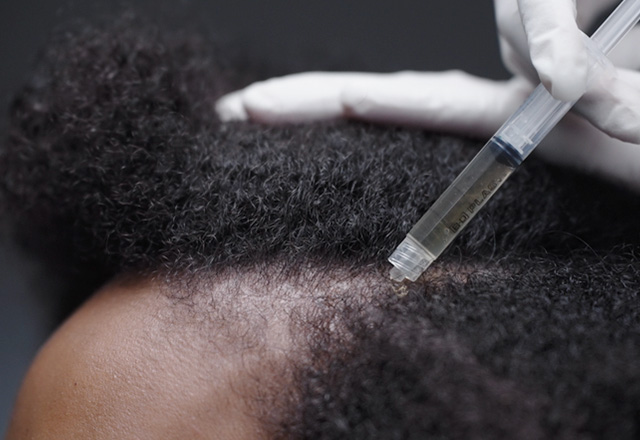
The science shows that copper peptide certainly has the mechanisms to aid healthy hair growth. And at 212.2 Ricardo Vila Nova we have seen the results firsthand, having been early adopters of the use of copper peptide as an injectable active to boost hair growth and enhance hair health.
“It is not a miracle ingredient that works in isolation, as our hair health is a systemic issue; it reflects what is happening hormonally, nutritionally, environmentally and at the level of the scalp microbiome. However, having used the active for years in my clinic I believe copper peptide can make for a powerful addition to a well-designed, personalised treatment plan,” says Vila Nova.
For your own personalised treatment plan, book a consultation using the link below.