
Shampoo is one of the most important haircare products you own, but many of us rarely think much about it, while we’ll agonise over which conditioners, masks, serums and styling products to use.
However, according to Ricardo Vila Nova, trichologist and founder of 212.2 Ricardo Vila Nova, the reality is that we should be giving it a lot more thought to our shampoo buys.
“Conditioner, masks and oils are incredibly beneficial when it comes to the health of your hair, but shampoos are too. Designed to be applied to the scalp, rather than the mid-lengths and ends of the hair, the job of your shampoo is to remove oil, dirt, product build-up, and dead skin cells from your scalp (but as you rinse it out, you’ll also remove all of the above from your lengths too). Your chosen shampoo formulation will directly influence your scalp health, moisture levels, fibre integrity and even the texture, density and condition of your hair. Making the shampoo you use, the foundation of your entire hair health routine. If you’re using the wrong formula for your hair type, you’re either stripping the scalp of what it needs or failing to address what it lacks. Both of which have consequences for the follicle over time,” says Vila Nova.
He also insists that what to look for, and what to avoid when it comes to your shampoo starts with understanding your hair type. Here he shares what actives work best for every hair type…
Fine hair
Fine hair has a smaller diameter than other hair types, which makes it more prone to becoming weighed down and flat quickly when oil builds up. It’s not that fine hair produces sebum any quicker than other hair types it’s more to do with the fact that because fine strands have less surface area for the natural oil to distribute along, the roots can become oily quickly. The temptation to wash frequently is understandable, but using the wrong shampoo can strip the scalp and trigger even more sebum production in response.
“Fine hair needs a shampoo that cleanses effectively without leaving any residue, but it should never be overly stripping. Look for lightweight surfactants like sodium cocoyl isethionate, and volume-supporting ingredients like hydrolysed proteins and B vitamins, and avoid heavy silicones or emollient-rich formulas that will coat the fibre and make it appear thinner and lanker,” says Vila Nova. When it comes to ingredients to avoid, ditch anything with dimethicone and other non-water-soluble silicones, plus, heavy butters and oils in high concentrations.
Thick and coarse hair
Coarse hair has a larger fibre diameter and often a more complex cuticle structure, which means it can feel rough, resistant to styling and prone to frizz. Sebum distribution along each strand tends to be slower, meaning the mid-lengths and ends are often much drier than the roots.
“That means the best shampoo for coarse hair needs to cleanse without further roughening the cuticle, while delivering enough moisture to soften the fibre. So, you should seek out shampoos that contain moisturising agents alongside their cleansing ingredients. Amino acids help to smooth the cuticle and improve manageability from the first wash, while humectants like glycerin support the fibre’s ability to retain moisture. And hydrolysed keratin is particularly beneficial for coarse hair as it temporarily fills gaps in the cuticle, reducing roughness and improving shine. The goal is to leave the hair clean but not depleted,” explains Vila Nova.
Curly hair
From loose waves to defined spirals, curly hair dictates that the hair shaft is not uniform in shape, with alternating points of tension along each strand that make it more vulnerable to mechanical damage and breakage than straight hair of the same thickness. Like coarser hair types, sebum struggles to travel evenly along the curved shaft, leaving the mid-lengths and ends more prone to dryness than the roots.
“Curly hair needs a shampoo that cleanses the scalp without disrupting the curl pattern or leaving the fibre feeling stripped. The curl’s natural shape is partly determined by the distribution of keratin proteins within the cortex, and anything that excessively alters the fibre’s moisture balance will affect how the curl forms and holds. Gentle cleansing agents, humectants to support moisture retention and curl-defining proteins like hydrolysed silk or keratin are the ingredients to prioritise,” says Vila Nova. Avoid harsh sulphates used to cleans, as they can lift the cuticle and contribute to frizz, so look for cleansing agents such as cocamidopropyl betaine or sodium cocoyl glutamate, which remove build-up without roughening the fibre.
Colour-treated hair
Whether permanent dye, bleach or toner, colouring opens the hair’s cuticle to allow pigment to penetrate and in doing so compromises the fibre’s structural integrity. Colour-treated hair is more porous, which means it absorbs water and loses moisture more easily, it’s also more vulnerable to colour fading with every wash – and the wrong shampoo can accelerate both.
“Colour-treated hair has already been through a chemical process that stresses the cuticle. Which means, shampoos for colour-treated hair need to be gentle enough not to lift the cuticle further, while providing the kind of structural support that helps ‘close’ strands to keep moisture and colour in. Sulphate-free formulas are important here because harsh sulphates actively contribute to colour fade,” says Vila Nova. So, look for sulphate-free cleansing agents, UV filters to protect colour from light degradation, antioxidants such as vitamin E, and proteins that help fill and smooth the lifted cuticle. Avoid high-pH formulas, which open the cuticle further and accelerate colour loss.
Dry and damaged hair
Dry hair is not always a hair type in its own right, instead it tends to be the result of cumulative damage from heat styling, chemical processing, hard water mineral build-up or environmental exposure. The cuticle is compromised, moisture escapes more readily and the hair can feel brittle, rough and prone to breakage. The priority in a shampoo for dry or damaged hair is to cleanse without any further stripping, and to begin the process of replenishing what has been lost.
“Damaged hair is essentially structurally compromised hair. The cuticle has gaps; the cortex is exposed in places and the hair’s natural moisture-locking ability is reduced. A repairing shampoo can begin to address this through ingredients that temporarily bind to damaged sites within the fibre, improving its mechanical strength and reducing further breakage with each wash,” explains Vila Nova. Key ingredients include hydrolysed proteins, particularly those with small enough molecular weight to penetrate the cortex rather than simply coat the surface. As well as ceramides to rebuild the cuticle’s lipid layer, and gentle surfactants that lift debris without stripping your strands limited natural oils.
Oily hair
Oily hair is primarily a scalp issue rather than a hair issue. Driven by overactive sebaceous glands that can be influenced by hormones, diet, stress and the use of incorrect or overly heavy products – oil builds up and weighs down the hair. Washing too frequently with harsh shampoos can perpetuate the cycle by stripping the scalp and triggering even greater sebum production in response. “So, the aim when it comes to this hair ‘type’ is to regulate sebum production rather than strip the scalp,” shares Vila Nova.
“With that said, the shampoo needs to cleanse thoroughly and help rebalance the scalp microbiome, which plays a central role in regulating sebum production. Ingredients like zinc pyrithione, salicylic acid and tea tree have genuine evidence behind them for scalp regulation,’ adds Vila Nova. Equally important is what is not in the formula, and in this case, heavy emollients and silicones will worsen the problem, so avoid them.
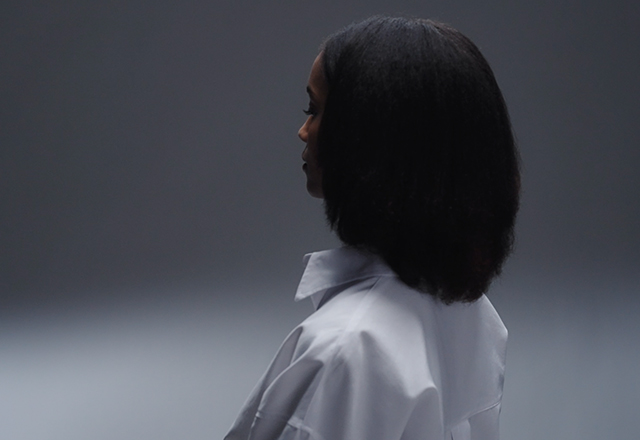
Afro-textured hair
Afro-textured hair, think curls, coils and kinks – has a unique structure that makes it both resilient and particularly vulnerable to specific types of damage. The natural bends and curves in the fibre create multiple points of potential weakness, and because sebum has to travel further along a coiled strand than a straight one, the mid-lengths and ends are often significantly drier than the scalp. Cleansing too aggressively removes the small amount of natural oil that does reach the fibre, leaving it more prone to breakage and moisture loss.
“However, afro-textured hair requires a shampoo that cleanses the scalp effectively especially when a lot of hair oils and styling products are used. The challenge here is that the scalp and hair often needs a thorough cleansing – especially when people are only cleaning once a week – without stripping the hair and scalp of all its moisture. Co-washing, aka cleansing with conditioner alone, has become popular for this hair type, but it often fails to remove build-up adequately. The better approach is a gentle, moisturising shampoo used at a frequency suited to the individual scalp, followed by thorough conditioning. Shea butter, mango butter, castor oil and glycerin are all beneficial ingredients in this context,” says Vila Nova. So, look for shampoos free from sulphates and drying alcohols, but enriched with emollient butters, humectants and strengthening proteins such as hydrolysed quinoa or rice protein.
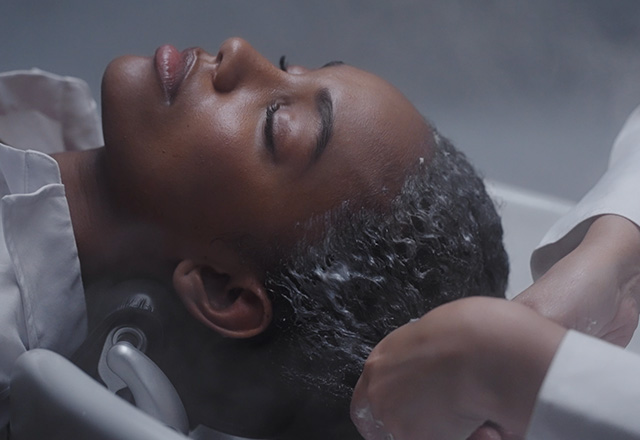
Put your scalp first
Regardless of your hair type, the most important principle in choosing a shampoo is to treat the scalp as a priority rather than an afterthought. “The health and quality of your hair is dictated by your scalp environment, making the best shampoo for any hair type one that keeps the scalp in balance while respecting the specific needs of your strands. At 212.2 Ricardo Vila Nova we take the guess work out of choosing a shampoo, by creating personalised shampoos for our clients. With our Active Fusions shampoos you’ll experience first-hand how a healthy scalp produces stronger, healthier hair,” concludes Vila Nova.
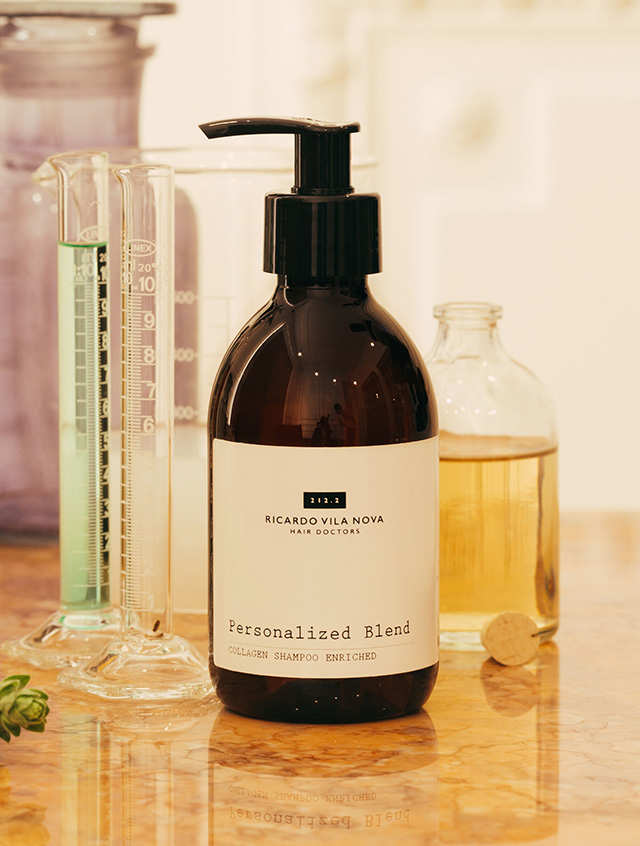
To discover the right cleansing routine for your hair type and scalp, and receive your own personalised Active Fusions shampoo, book a consultation using the link below.