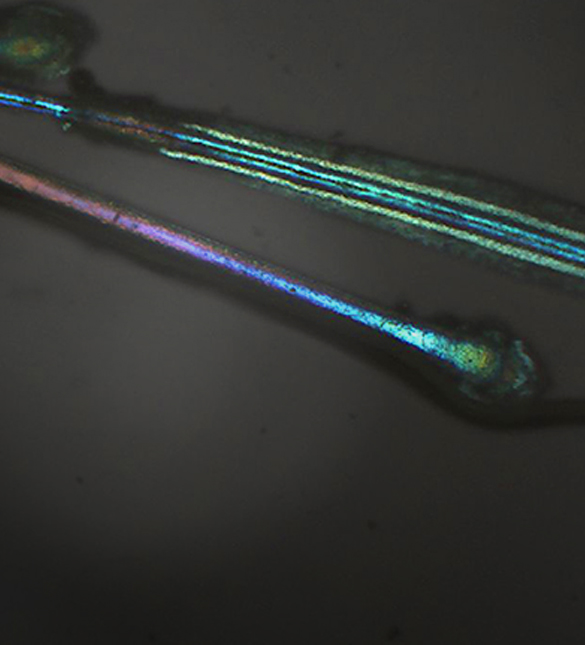

Genetics and hormones get most of the attention when it comes to hair ageing, and rightly so as they remain the dominant factors.
But a growing body of research points to a third, less discussed driver operating in the background: oxidative stress.
“Oxidative stress is one of the most under-recognised contributors to hair ageing, partly because its effects build slowly and partly because it has no single visible trigger. By the time someone notices premature greying, reduced density or a change in hair texture, oxidative damage may have been accumulating in the follicle for years,” says Ricardo Vila Nova.
Oxidative stress explained
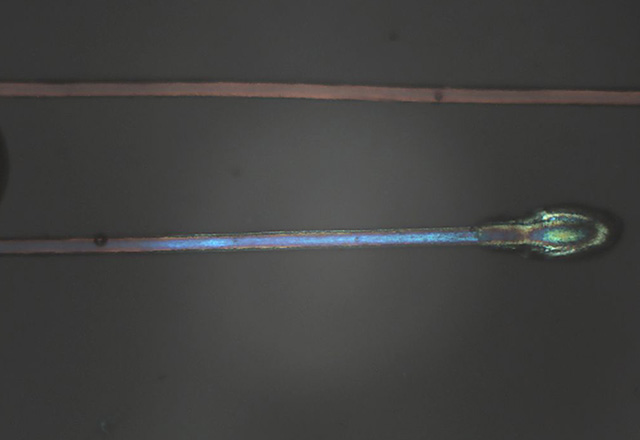
Oxidative stress occurs when there is an imbalance between free radicals (unstable molecules generated through normal metabolism and external exposures) and the body’s antioxidant defences. Free radicals are missing an electron, which makes them highly reactive. In their search to stabilise themselves, they damage whatever cellular structure they encounter: DNA, proteins, lipids. Under normal conditions the body neutralises free radicals efficiently, but problems arise when free radical production outpaces the body’s ability to clear them.
“The hair follicle is particularly vulnerable to this imbalance because it is one of the most metabolically active structures in the body. Follicle cells divide rapidly to produce hair, and that level of cellular activity generates a significant amount of free radical activity as a natural by-product. A healthy, well-supported follicle manages this without issue. A follicle under additional oxidative pressure from external sources has a much smaller margin for error,” explains Vila Nova.
The effects
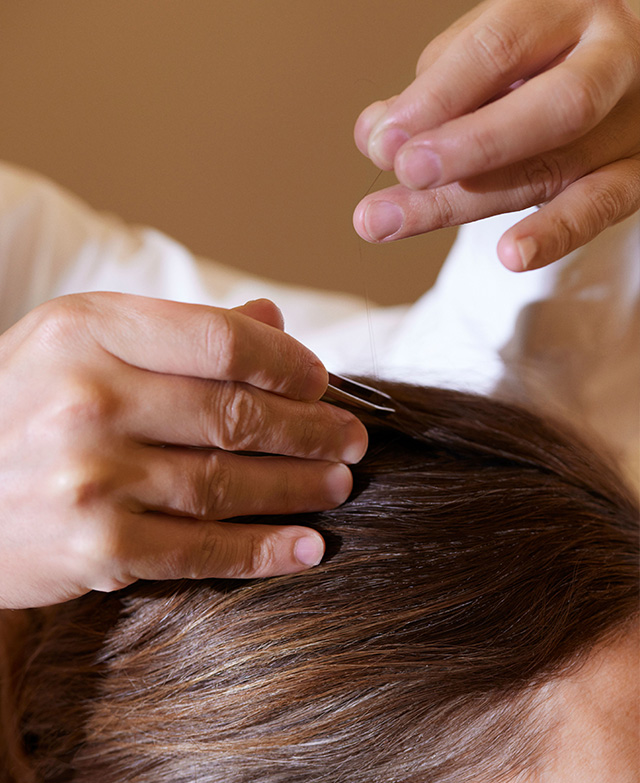
Oxidative damage affects the follicle through several interconnected mechanisms. It damages the mitochondria within follicle cells; these are the structures responsible for generating the cellular energy required to sustain active hair growth. When mitochondrial function declines, the follicle has less capacity to maintain the anagen, or active growth, phase, and the cycle shifts toward rest and shedding more readily.
“Oxidative stress also damages the dermal papilla cells that generate the signals controlling follicle cycling, and it degrades collagen and elastin, the structural proteins in the surrounding scalp tissue that provide physical support to the follicle. The cumulative effect is a follicle operating in a progressively less hospitable environment, which manifests as finer hair, slower growth and increased shedding over time,” says Vila Nova.
Premature greying is one of the most direct and well-documented consequences of oxidative stress as pigment-producing cells within the follicle are highly sensitive to oxidative damage. Greying develops because hydrogen peroxide naturally accumulates in the hair follicle with age, but it’s typically broken down by the enzyme catalase. When catalase activity declines or oxidative load increases beyond what the follicle can manage, hydrogen peroxide accumulates, bleaching hair from within and damaging the pigment-producing cells.
The cause
Chronic psychological stress is a major driver of oxidative stress, and one that is frequently underestimated. “Elevated cortisol increases systemic oxidative load and has a direct, measurable effect on the follicle cycle, often precipitating the kind of diffuse shedding we see in conditions like telogen effluvium. Inflammation, whatever its source – scalp microbiome imbalance, an underlying inflammatory condition, even highly processed diets – generates reactive oxygen species as part of the inflammatory cascade itself, creating a self-perpetuating cycle,” explains Vila Nova.
UV exposure, smoking, excessive alcohol consumption and poor quality all increase your body’s oxidative burden overall and this extends to the scalp and follicles. “Typically, people are experiencing several of these contributing factors simultaneously,” adds Vila Nova.
Protection strategies
Addressing oxidative stress requires both reducing exposure and actively supporting the body’s antioxidant defences. “Nutritionally, this means prioritising foods rich in antioxidants like vitamin C, vitamin E, selenium, zinc and polyphenols, as they all support the enzymatic systems that neutralise free radicals. Diets high in processed food and refined sugar do the opposite, increasing inflammatory and oxidative load systemically,” says Vila Nova.
Scalp protection matters too, as UV exposure on the scalp and hairline is frequently overlooked despite being significant, particularly along partings and at the crown. “Sleep quality and stress management are also important as cortisol regulation has a direct bearing on oxidative load, and poor sleep impairs the body’s overnight repair processes, including those operating at the level of the follicle,” adds Vila Nova.

Oxidative stress treatments
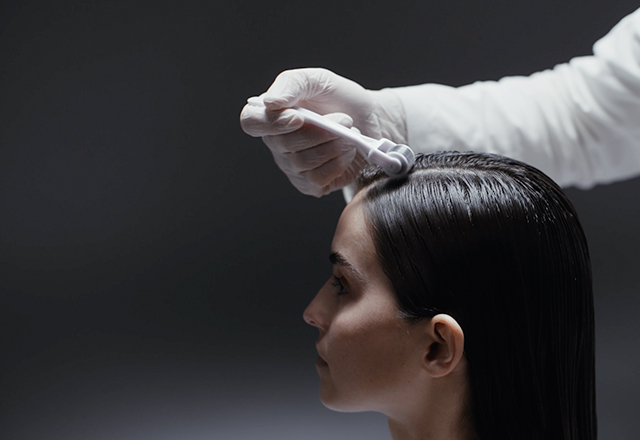
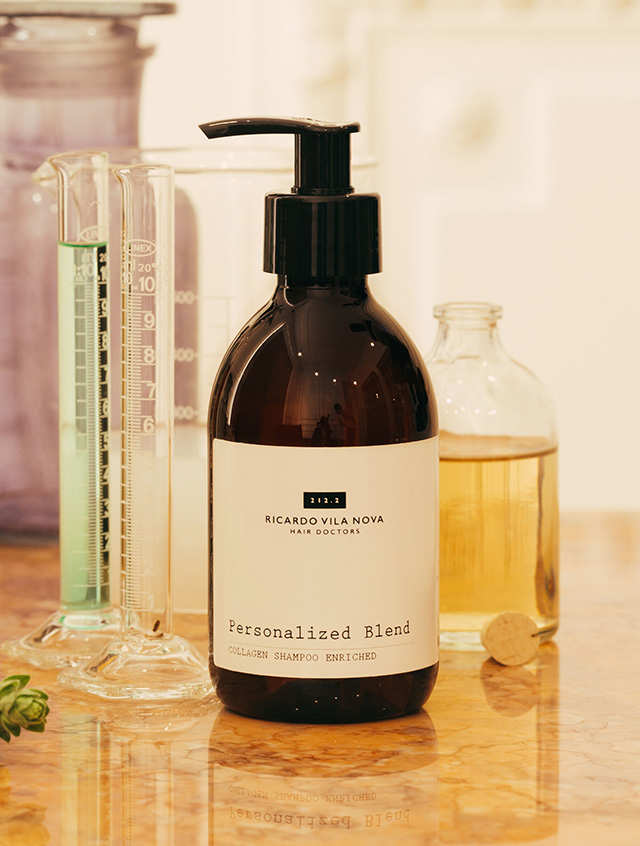
At 212.2 Ricardo Vila Nova, addressing oxidative stress begins with the Hair DNA Scan, which identifies the specific nutritional deficiencies, inflammatory markers and environmental factors contributing to oxidative load in each individual. Personalised mesotherapy can deliver antioxidant compounds directly to the scalp and follicle environment, while scalp detoxification treatments reduce the inflammatory and oxidative burden generated by product build-up, excess sebum and microbiome imbalance. While our at-home Active Fusions personalised haircare incorporates targeted antioxidant actives suited to each individual’s specific needs.
Act now
“Oxidative stress does not get the same attention as hormones or genetics in conversations about hair ageing, but its impact is real, measurable and, importantly, modifiable. Your oxidative load is significantly influenced by daily choices, from diet, sun protection, stress management, and sleep, which means it’s far easier to treat than conditions influenced by your genetics alone. That makes it one of the more empowering aspects of hair longevity to address, because meaningful improvement is genuinely within reach,” concludes Vila Nova.
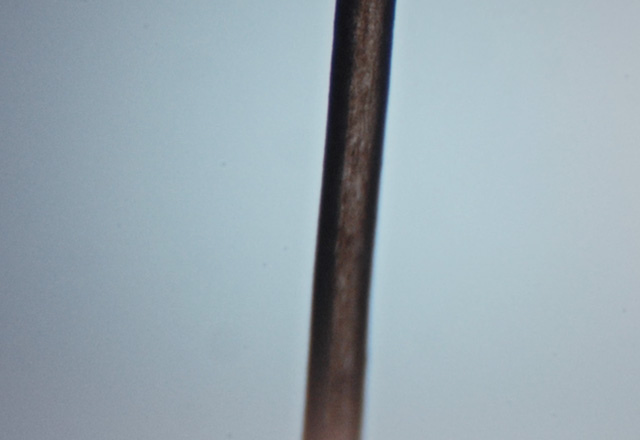
To measure your oxidative stress load book your Hair DNA Scan using the link below.