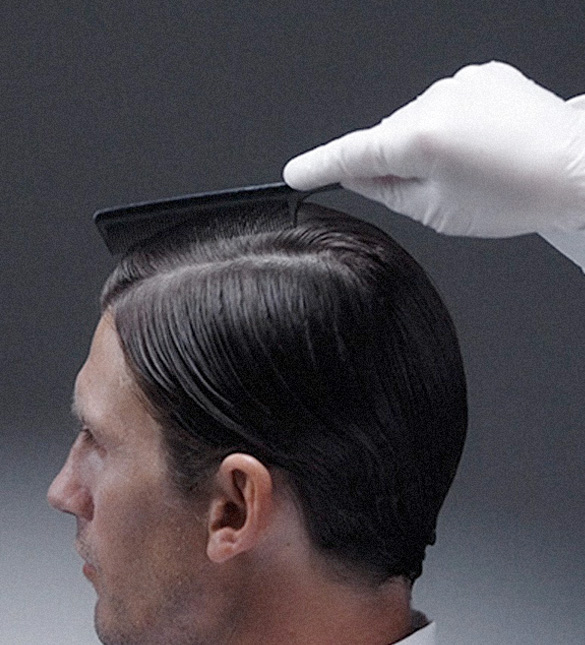


Longevity might be the wellness word of the decade, but it’s no longer confined to wellness treatments, diet plans and supplements.
When it comes to our tresses the same philosophy is gaining traction, and fast. We’re no longer talking about simply growing hair, but about helping it stay healthy, strong and resilient for as long as possible. In other words, it’s not just about how much hair you have but about keeping it in its prime.
What hair longevity really means
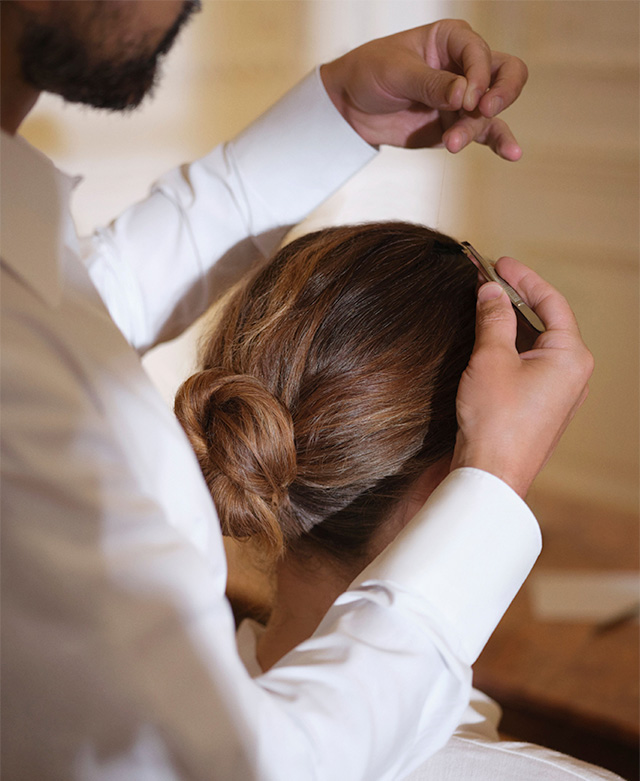
For years, grey, dry or thinning hair were considered the hallmarks of ageing hair. But the reality runs deeper. As Ricardo Vila Nova explains, “hair ageing isn’t only about colour or texture changes. It’s about the follicle slowing down. It spends longer resting, produces weaker fibres, and loses the rhythm that once kept it vibrant.” Over time, that rhythm falters further, leaving hair that feels finer, breaks more easily and grows at a slower pace.
This process is entirely natural, yet not entirely inevitable. “The way our hair ages depends on both internal and external factors,” says Vila Nova. “Hormones, stress, illness, medication, and chronic inflammation can all reduce how long a follicle stays in its active growth phase,” he adds. The goal of hair longevity, is to extend that growth phase, to keep follicles working efficiently, and to protect them from the stressors that trigger decline.
It’s a way of thinking that aligns more closely with modern longevity science i.e. supporting the body – but in this case the hair and scalp – so it performs better for longer.

Understanding how hair ages
With age, follicles begin to constrict which causes them to spend less time in the growth (anagen) phase and more in rest (telogen) phase. On top of that sebum production declines, leaving hair drier and more brittle. While, melanocytes (the pigment cells responsible for your hair colour) grow sluggish, which leads to greying.
External factors can speed up the ageing process, think hormonal changes linked to menopause or thyroid imbalance, medication, nutrient deficiency, and chronic stress. they all influence how our follicles behave. “The follicles are living structures,” Vila Nova explains. “They’re affected by everything happening in the body. You can’t separate the scalp from your overall health.”

Regenerative medicine
Science is now offering new ways to restore balance at follicular level. “We have treatments that actively re-educate the scalp and help follicles remember how to function the way they once did,” reveals Vila Nova. Among the most effective options are:
Biosome therapy
An advanced regenerative treatment that delivers microscopic, bioactive vesicles to the scalp to reactivate dormant follicles and repair surrounding tissue.
Growth factors
Naturally occurring proteins that encourage follicle repair and extend the growth phase.
Platelet-Rich Plasma (PRP)
Concentrated healing cells taken from the patient’s own blood to boost new growth and density.
Vitamin infusions
Targeted blends of B-vitamins, vitamin D, zinc and biotin that nourish follicles from within.
Each treatment uses different ‘actives’, but the end goal is the same – to keep follicles active for longer. “It’s not about forcing growth. It’s about restoring the environment that allows growth to happen naturally,” explains Vila Nova.

Building the foundations
When it comes to longevity your scalp’s condition is key to getting it right. “When the scalp is healthy, everything else improves,” Vila Nova explains. “Inflamed or congested scalps can’t absorb nutrients or respond to treatments properly. Calm the scalp, and hair follows.”
You have to take a 360 approach. A balanced diet feeds your follicles the nutrients needed to produce keratin and collagen. A stable immune and hormonal system prevents unnecessary inflammation. Quality sleep and stress management regulate cortisol, protecting the growth cycle. And limiting harsh styling, like excessive heat, and frequent chemical treatments (like bleaching and relaxing), stops structural damage before it begins.
“Longevity isn’t about giving things up, it’s about balance. Style your hair, enjoy it, just do it consciously and don’t over-do it,” recommends Vila Nova.
Prevention is better than cure
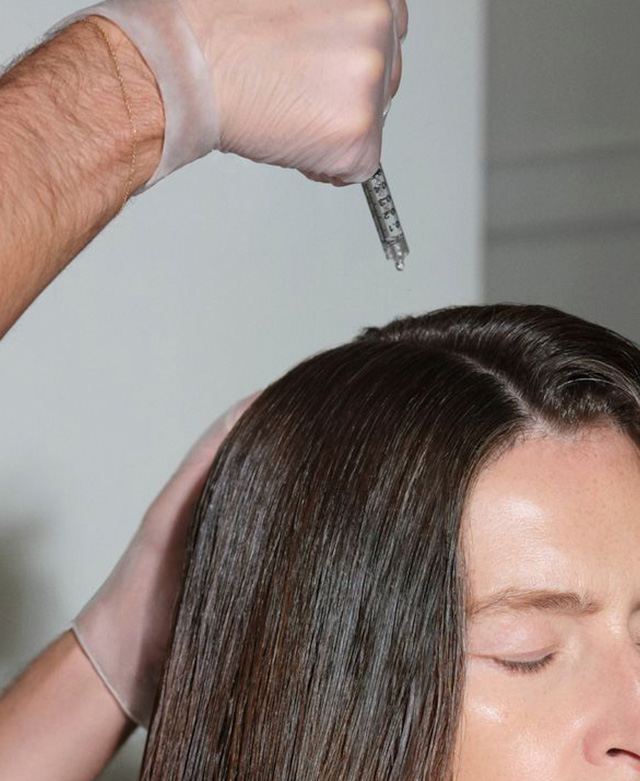
There’s a growing realisation in beauty that prevention is more effective than cure, and haircare is catching up. Instead of trying to fix breakage or thinning once they appear, longevity strategies focus on keeping follicles robust and the scalp environment balanced. “We used to wait for hair to fail before acting,” notes Vila Nova. “Now, we can intervene earlier and slow the process down by years.”
That means strengthening the scalp’s microbiome, improving circulation, and feeding your follicles what they need to maintain elasticity and thickness. Over time, that prevention-first approach will help reduce shedding, delay greying, and improve how the hair behaves day to day.
The future of hair health
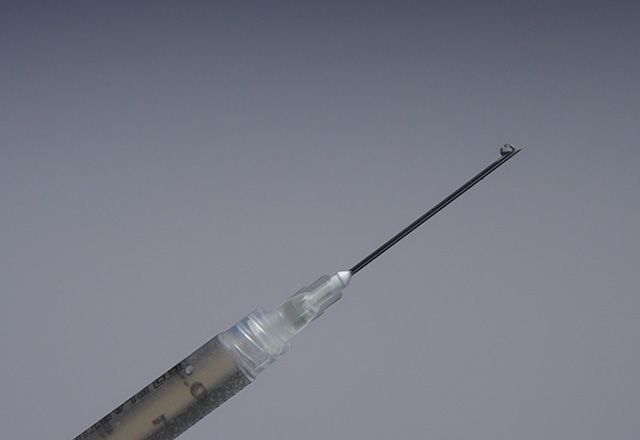
The next decade will bring even more precise ways to preserve hair vitality. Biosome delivery systems and peptide-based actives are evolving rapidly, making it possible to further tailor treatments to each person’s biological profile. At 212.2 Ricardo Vila Nova, this is already common practice as Vila Nova uses his Hair DNA Scan to anticipate how someone’s hair will age. He then creates personalised plans that protect density, pigment and structure before problems even appear.
But as the term suggests, longevity can’t be rushed. “You earn it. Every time you nurture your scalp, and choose hair health over quick results, you’re helping your tresses stay strong for the long term,” shares Vila Nova.
If you want to learn how to defy time and incorporate longevity practices into your hair care routine, book in for a consultation using the link below.