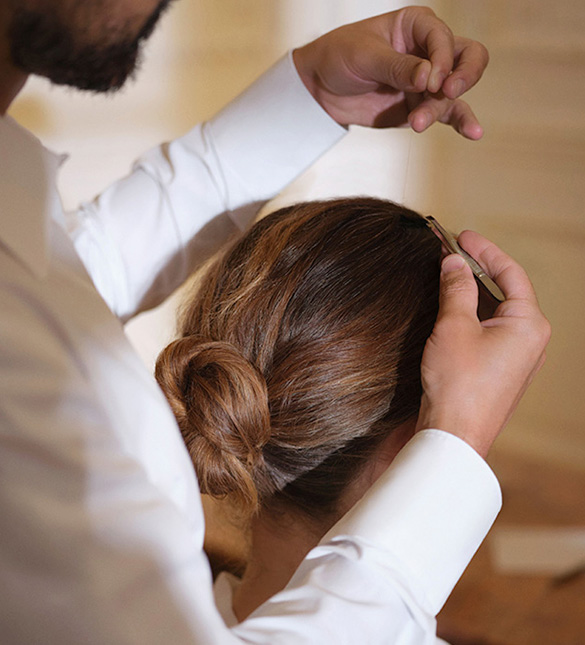

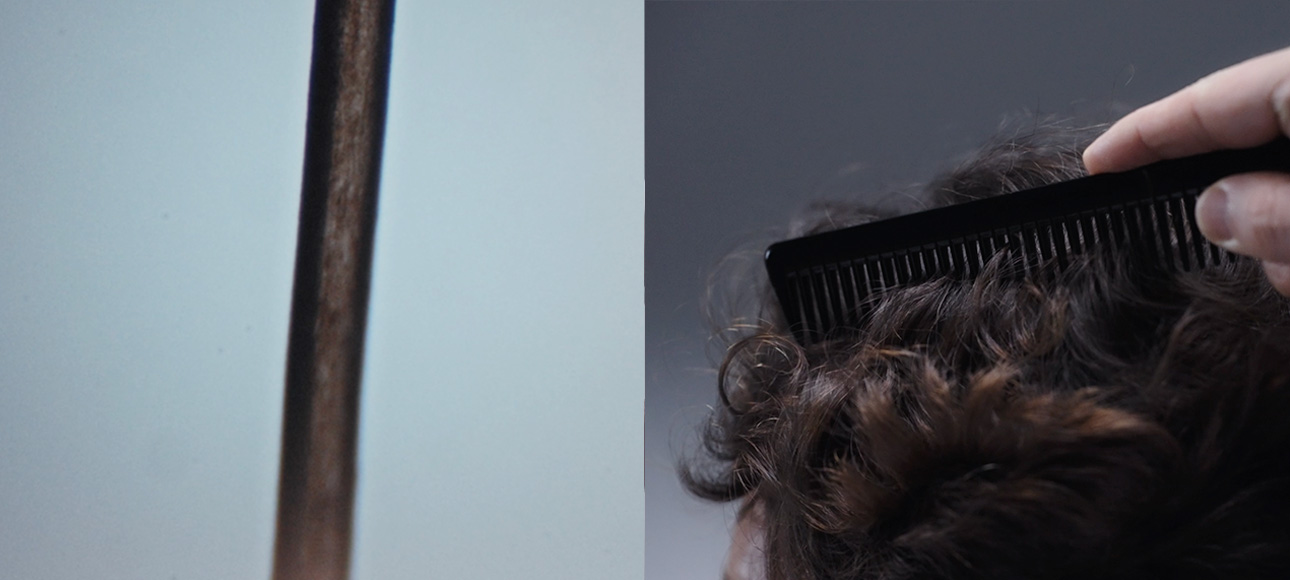
To age is a privilege, but that doesn’t mean you can’t and shouldn’t slow down the ageing process – because as our cells age, the health of our hair can majorly decline.
You’ll notice it around fifty – shedding speeds up, strands feel finer, growth slows and shine fades. According to Ricardo Vila Nova, “hair becomes more reactive with age as our follicles respond to hormone shifts, inflammation and external stressors. By the time 50 rolls around, the strategies that worked in your thirties or forties often need rethinking.”
Understanding why your hair behaves differently and which interventions truly help slow down the clock is the key to youthful tresses when you’re 50 plus.
Why Hair Changes After 50
“Ageing affects the ecosystem the hair relies on. It’s not just the follicle; it’s the scalp microbiome, the barrier, and the vascular network that play a role in hair ageing. So, when any of these decline, it’s reflected in our tresses,” shares Vila Nova.
Several biological processes converge as we reach our 50s. Blood circulation slows, making it harder for follicles to receive oxygen and nutrients. While hormones fluctuate for both men and women, which alters the signals that regulate the hair growth cycle. Cellular turnover slows down too, so the scalp renews itself less efficiently and is more prone to dryness, congestion and inflammation. Follicles also become more sensitive to stress, making temporary shedding more likely to tip into longer-term changes in density.
But thankfully, despite all these changes, our hair is still capable of healthy growth – it simply needs more targeted support.
How to Achieve Healthy Hair After 50
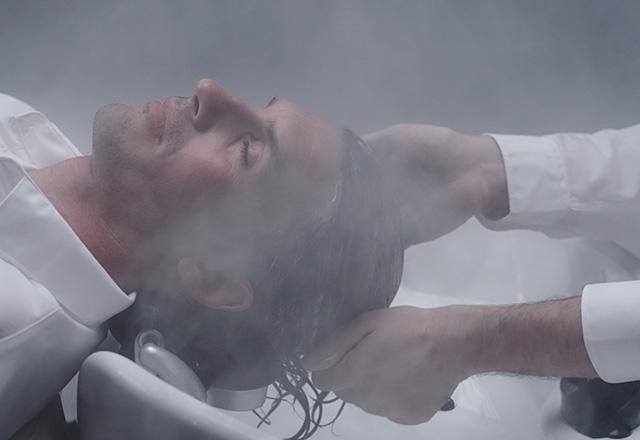
Regardless of gender, maintaining a healthy scalp environment is key. “With age, the scalp becomes drier and more reactive, so reducing inflammation, congestion and barrier weakness becomes essential. This makes regular scalp treatments to dissolve mineral residue from hard water, pollution particles and product accumulation, a must,” shares Vila Nova.
1.
Circulation itself is another key factor. As blood flow naturally declines, follicles become slightly undernourished. Techniques that boost microcirculation, like microneedling, help revitalise your follicle’s environment.
2.
Regenerative actives play an increasingly important role too. Biosomes, used widely across Vila Nova’s treatment protocols, help regulate inflammatory markers, support repair and encourage older follicles to behave in a more youthful, efficient way.
3.
Haircare also needs rethinking after fifty, which is why personalised formulations are the way to go. Vila Nova and his team create bespoke blends designed to support the scalp barrier, rebalance sebum and protect the microbiome — all essential when the scalp becomes more sensitive with age.
4.
At every age, internal health greatly impacts the quality of one’s hair. Lifestyle factors play a big role with alcohol, smoking and unmanaged stress accelerating inflammation and thinning. You’ll also find that deficiencies in vitamin D, zinc, iron and amino acids become more common with age and directly influence shedding and texture. Ensuring levels are where they should be will dramatically improve overall hair behaviour.
5.
Styling habits may also need an overhaul. Older hair fibres can be more fragile, so harsh detergents, excessive heat and tight styling will accelerate breakage. Choose the Active Fusions range for the best in slow-ageing haircare. And ditch heat and tight up-dos as much as possible.
Targeted Advice for Women
For women, the most dramatic shift to hair health occurs around menopause. Declining oestrogen reduces density and alters how the follicle produces keratin. “Concurrently, androgen sensitivity may rise, and become evident around the temples and crown. Many women describe their hair as ‘thinning from the inside,’ not because of dramatic shedding, but because individual strands become finer as follicles respond to hormonal fluctuations,” explains Vila Nova.
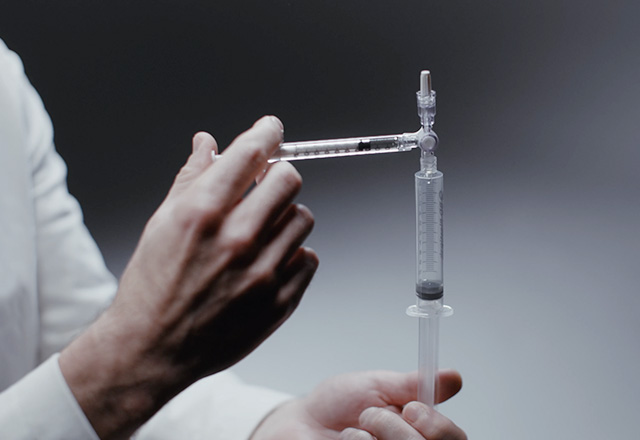
Diffuse thinning across the mid-scalp is also typical, as is an increase in dryness, flaking and sensitivity. Keratin quality can decline as well, making strands feel weaker. “I recommend lipid-rich masks, protein-supporting treatments and targeted scalp therapies such as microneedling, vitamin scalp injections, PRP and red-light therapy,” says Vila Nova.
Targeted Advice for Men
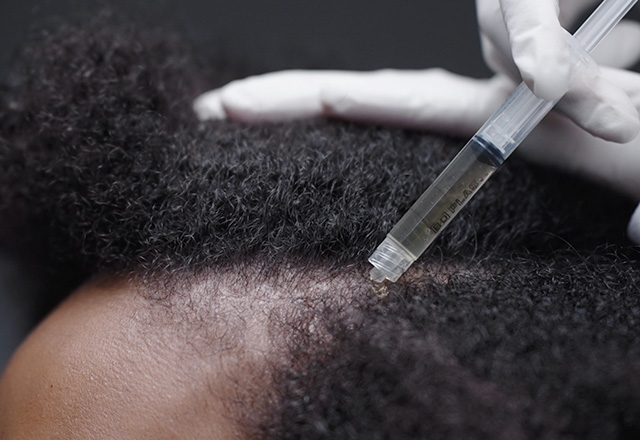
Men, by contrast, face a different biological pressure: androgens, the hormones responsible for male traits and hair patterning. DHT (dihydrotestosterone), a potent androgen derived from testosterone, becomes more influential with age, and follicles often become more sensitive to its effects, accelerating male pattern thinning. The crown and hairline are especially vulnerable. “Inflammation amplifies the impact of androgens,” explains Vila Nova. “When we calm inflammation and support microcirculation, we reduce the pressure on the follicle and slow miniaturisation,” he adds.
Our scalp detox treatments help by clearing build-up that keeps inflammation active. While microneedling with growth-boosting actives strengthen signalling around the follicles, improving their ability to produce stronger strands. Microneedling also aids circulation which requires particular attention in men, as the hairline and crown naturally have lower blood flow.
Ageing Hair Decoded
Hair after fifty is different, but far from dormant. “Hair doesn’t lose its ability to grow. It just needs more care and a better understanding of what follicles need at this stage in life,” says Vila Nova. With the right scalp environment, improved circulation and regenerative support, follicles can continue producing hair that looks fuller, stronger and more resilient.
Discover whether inflammation is hindering your hair health by booking a consultation using the link below.