

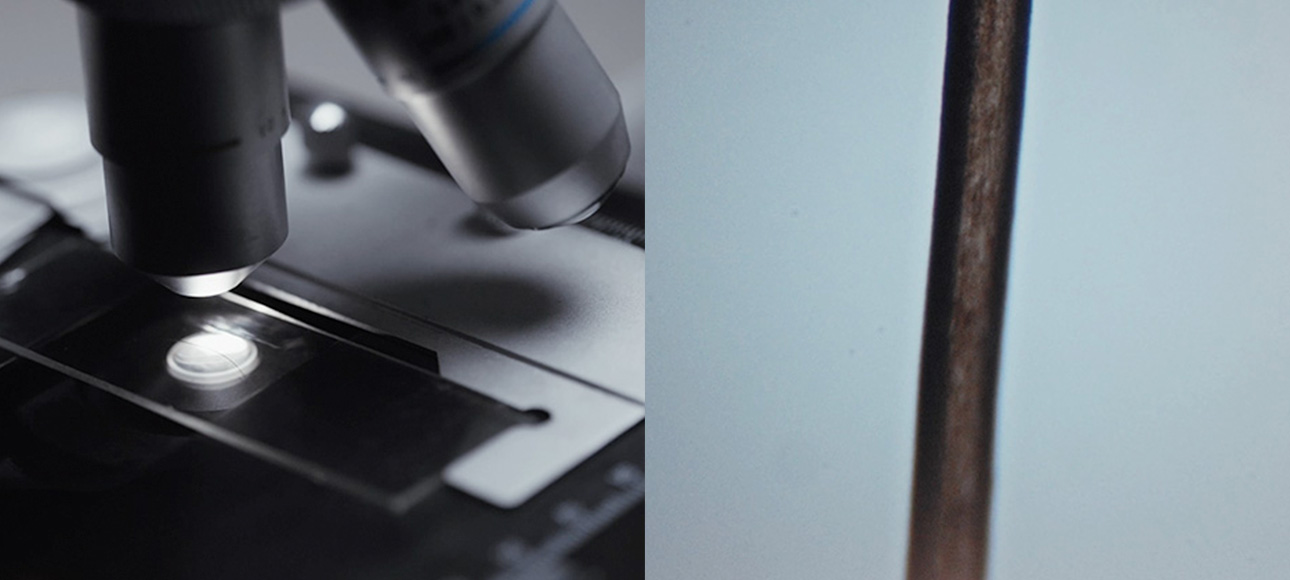
It’s easy to forget about your thyroid - that small butterfly-shaped gland at the base of your neck - until something goes wrong.
Yet its hormones influence everything from metabolism to mood and, as trichologist Ricardo Vila Nova points out, your hair too. “Hair is often the first visible sign that the thyroid is out of balance,” he says. “Texture changes, increased shedding, brittleness and even changes in curl pattern can all be linked to thyroid hormones.” Understanding the connection helps you spot early warning signs and protect your hair while treatment takes effect.

Hormones and hair follicles
Thyroid hormones set the pace for cellular turnover everywhere in the body, including the scalp. When levels fall (hypothyroidism), the hair cycle slows and follicles linger in a resting phase. When they rise too high (hyperthyroidism), turnover speeds up and hair can become fine, fragile and shed more easily. “Because the follicle is such a highly metabolic structure, it’s extremely sensitive to hormonal shifts. The moment thyroid hormones move out of their optimal range, the follicle can switch off,” Vila Nova explains.
It’s not only the quantity of hair that changes but also its behaviour – think frizz, limpness or a loss of natural curl, alongside scalp dryness or irritation. “The texture change is often as distressing as the loss itself,” Vila Nova adds. “It alters how people feel about their hair on a daily basis.”
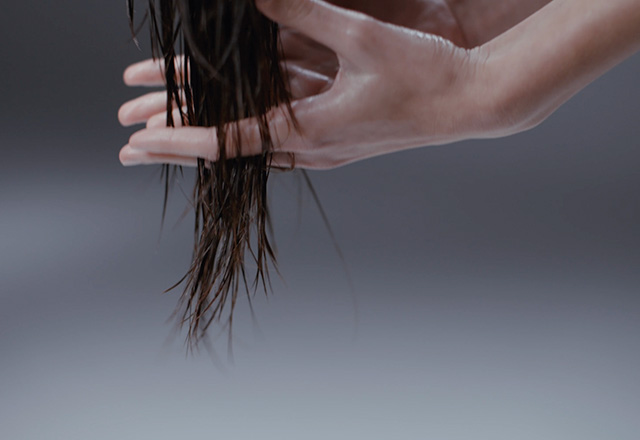
Caring for hair during thyroid changes
Once thyroid medication balances hormone levels, hair usually rebounds, but patience is key – since growth cycles last months, visible improvements are rarely immediate. In the interim, creating the right conditions around the follicle can speed up recovery time and maintain density. Vila Nova suggests focusing on three pillars:
1. Feed the follicle
“Think of the follicle as an organ,” he says. “It needs amino acids, trace minerals and essential fatty acids to function. If the thyroid is under strain, those nutrients become even more important.” Foods rich in zinc, selenium, iodine (if suitable), omega-3s and high-quality protein can help sustain growth while medication does its work.
2. Handle with care
Hair weakened by hormonal shifts is more prone to breakage. Limit heat styling, ditch harsh chemical treatments and loosen up tight hairstyles. Swap rough cotton pillowcases for silk or satin to minimise friction at night.
3. Manage stress
Elevated cortisol can worsen thyroid imbalance and speed shedding. Simple tools like breathing exercises, restorative yoga or prioritising sleep can help calm the cycle and support scalp health.
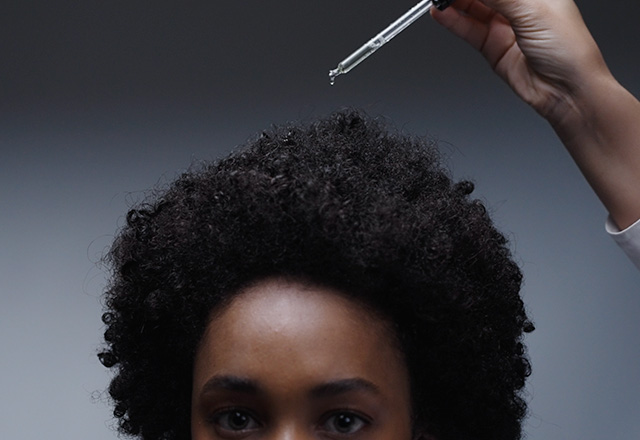
Targeted treatments
At 212.2 Ricardo Vila Nova, the focus is on creating a healthier follicular environment rather than masking the problem. “With thyroid-related hair changes, we work to restore the follicle’s resilience and correct imbalances we identify during diagnostics,” says Vila Nova whose signature approaches include:
1. Hair DNA Scan
A detailed analysis of protein depletion, hormonal imbalances, adrenal stress and micronutrient status to map out your hair’s biological profile.
2. Scalp reset
Clearing sebum plugs and rebalancing the scalp’s ecosystem so nutrients can penetrate and irritation subsides.
3. Scalp therapy
Precision micro-injections of amino acids, antioxidants, vitamins, and biosomes to energise and repair struggling follicles.
4. Photobiomodulation
Non-invasive red light that improves microcirculation and reduces inflammation, giving weakened follicles an energy boost.
5. Active Fusions at-home
Tailored blends of shampoos, conditioners, and serums packed with hair friendly actives, designed to maintain hair health between treatment appointments.
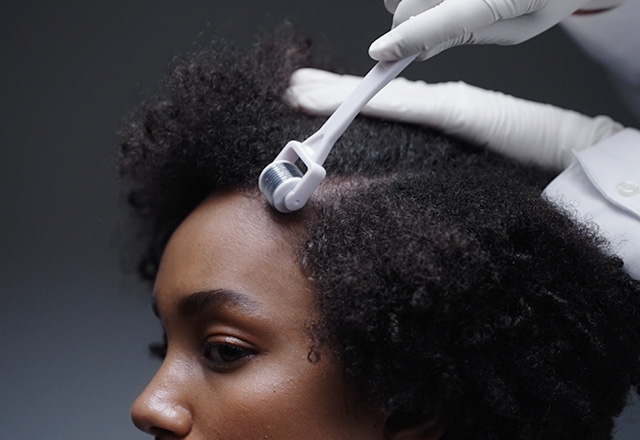
Ricardo’s approach to maintenance
Thyroid disorders are often long-term, so your commitment to your hair has to be the same. Vila Nova recommends follow-ups every three to four months to assess progress and tweak your hair health plan. “We monitor protein levels, hormonal markers and scalp health so we can adjust protocols in real time. Hair responds best when you make small, consistent changes rather than big, sporadic ones,” says Vila Nova.
He also frames hair health within whole-body wellness. “Optimising thyroid function, managing stress, sleeping well, and balancing blood sugar will all positively affect the follicle.”
Long-term hair health
Thyroid disorders can profoundly affect hair, but with the right medical care, nutrition and targeted trichology treatments, density and vitality can be preserved. 212.2 Ricardo Vila Nova offers a full suite of diagnostic and regenerative therapies designed to support the follicle at every stage of your thyroid journey. With early intervention and a steady plan, it’s possible to keep hair looking fuller, stronger and more resilient, even when your hormones are out of whack.
Book in for a consultation to discover how your thyroid could be impacting your hair and how to support your strands with our personalised treatments.