
For many women, the first sign that their hormone levels are shifting and the journey towards menopause has begun is not a missed period; it’s actually a lot more subtle. Low energy, difficulty sleeping, drier skin and hair changes that seemingly come out of nowhere.
One day all seems normal with their tresses and the next women begin to notice their ponytails feel thinner, more hair is being left in the shower, and their signature parting is sparser with a little more scalp on display. These are all tell-tale signs that their hair is already responding to hormonal change long before menopause has hit.
Perimenopause explained
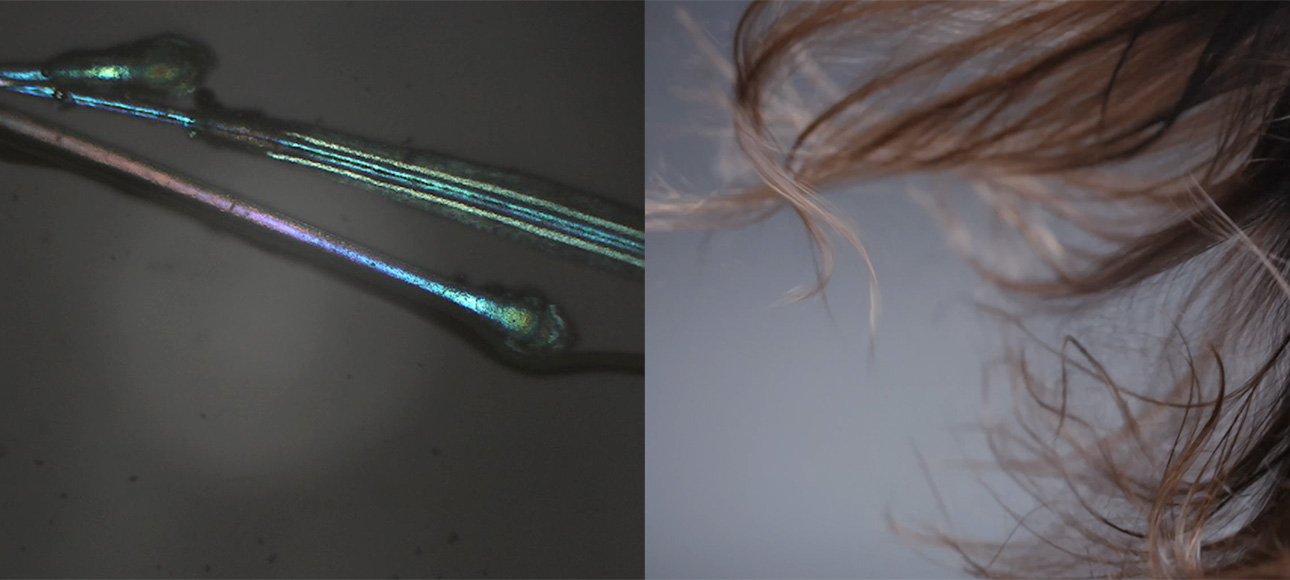
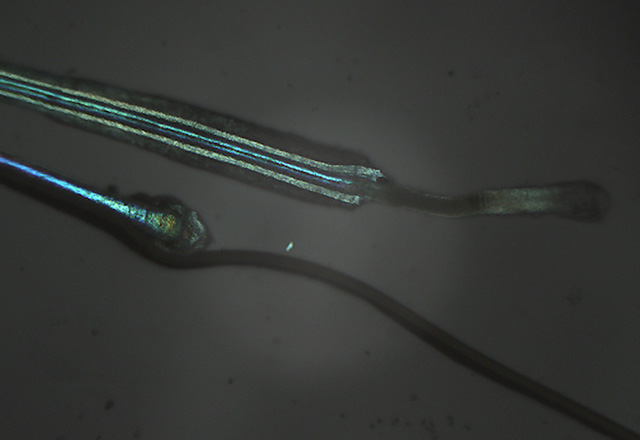
The years leading up to menopause, known as perimenopause, are marked by fluctuating oestrogen and progesterone. “These hormones help keep hair follicles in their growth phase. When they rise and fall unpredictably, follicles exit the growth phase earlier and shed more readily. At the same time, the relative influence of androgens increases, quietly changing how follicles behave, think slower growth and finer strands,” explains Ricardo Vila Nova.
As each growth cycle becomes shorter, and each new hair emerges weaker than the last, you end up with wispy, barely visible hairs. “Oestrogen normally protects follicles from this shrinking process. But when oestrogen levels decline, this combination creates visible thinning – unless you intervene,” says Vila Nova.
Menopause hair explained
Menopause itself, defined as twelve months without a period, brings a more stable but much lower hormonal baseline. “Oestrogen is at its lowest and since it is needed to support blood flow, collagen production and follicle vitality, you’ll find this is the time that scalp health declines and hair fibres lose strength, elasticity and shine. Growth cycles shorten even more than during perimenopause and without support, follicles adapt to that weaker state and start producing weaker hair,” reveals Vila Nova.
Hormones set the stage, but lifestyle and biology determine how dramatic the outcome actually is. Perimenopause and menopause are often accompanied by sleep disruption, chronic stress, insulin resistance and nutrient depletion. Each of these directly affects follicle behaviour.
High cortisol pushes hair into the shedding phase. Low iron, B12 or vitamin D limits the follicle’s ability to build strong keratin fibres. Blood sugar instability increases inflammation in the scalp, interfering with growth signals.
“Hair in menopause reflects the whole system,” says Vila Nova. “If stress, sleep and nutrition are not addressed, no treatment can override that,” he adds.
How to treat menopause hair
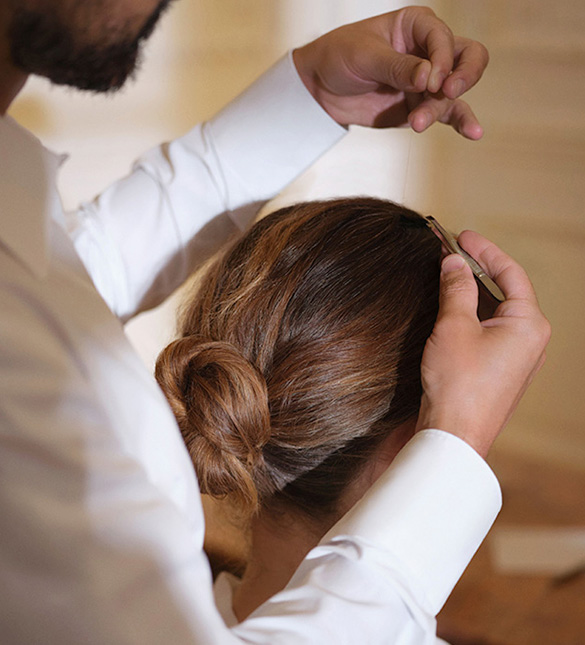
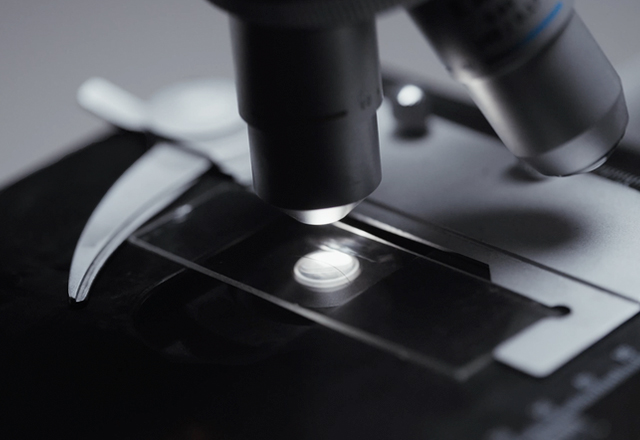
“At 212.2 Ricardo Vila Nova, menopause hair is treated as a regenerative issue rather than a cosmetic one. Every plan begins with advanced diagnostics, including our Hair DNA Scan, to reveal exactly how your hormones, inflammation and nutrient status are influencing the follicles. There is no universal menopause pattern, two women of the same age can have completely different follicle behaviour. We treat what we see, not what we assume,” explains Vila Nova.
However, it’s worth noting that perimenopausal and menopausal women often experience changes in oil production, microbiome balance and barrier function, which is why itching, flaking and sensitivity are common. This makes scalp health even more critical at this stage, so a focus on exfoliation, barrier repair and microbiome balance is a must as follicles cannot perform in a compromised environment.
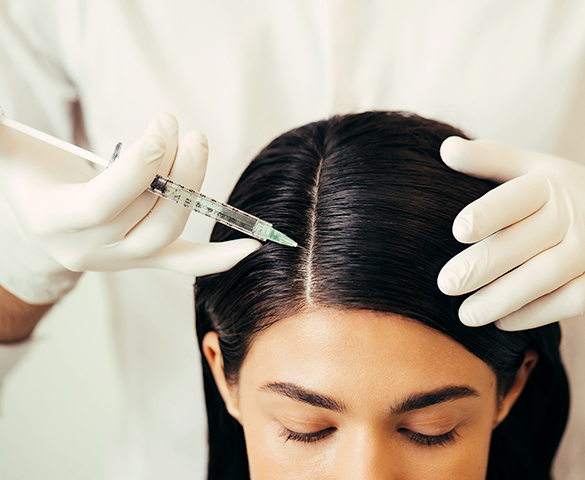
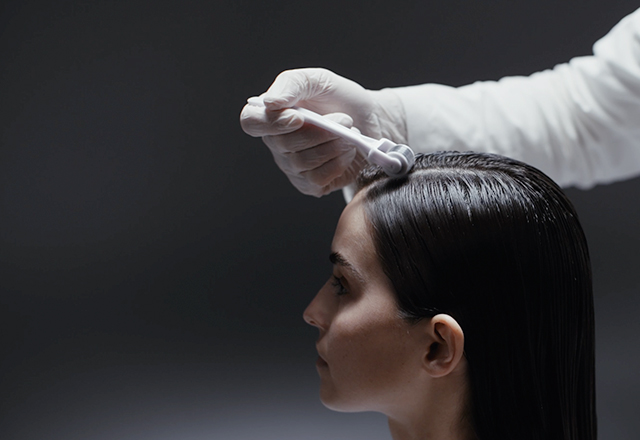
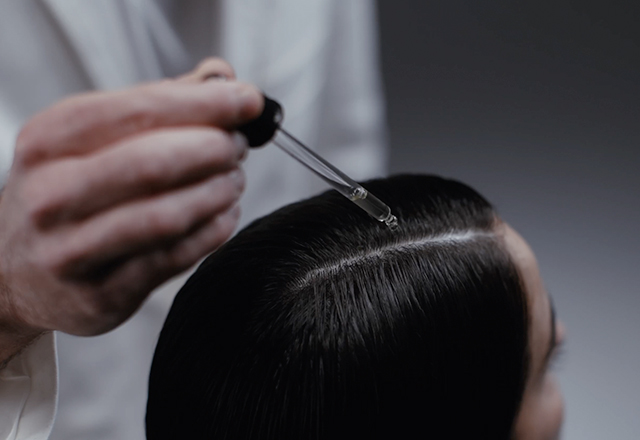
“One of the most effective in-clinic protocols for this stage of life is microneedling combined with a cocktail of actives. Microneedling increases blood flow and stimulates the release of growth factors in the scalp. When paired with personalised infusions of peptides, vitamins and biosome-derived regenerative signals, it helps reawaken follicles that have become hormonally sluggish. We are reminding the follicle how to function, because even in menopause, follicles respond when you give them the right signals and nutrients,” shares Vila Nova.
Low-level laser therapy is another cornerstone of treatment. Specific wavelengths boost mitochondrial activity inside follicle cells, increasing the energy available for growth and extending the active growth phase of the hair cycle.
Nutrition, lifestyle and supplements for menopause hair
Protein intake often drops in midlife, yet hair is built from protein. Iron, zinc, omega-3s and B vitamins are also commonly depleted, particularly in women who have dieted, used GLP-1 medications or experienced chronic stress.
“Hair is not a priority for the body when it comes to survival, so if nutrients are limited, the follicles are the first to get bumped off the ‘feeding’ list.”
Targeted supplementation, collagen and marine protein, along with blood-sugar-stabilising meals and adequate sleep, help restore the internal environment hair depends on. Gentle exercise supports circulation, while stress reduction protects follicles from cortisol-driven shedding.

The future of menopause hair
Menopause can cause a fair few issues when it comes to the health, and appearance of your tresses, but it’s not a death sentence for your hair. “With the right diagnostics, regenerative treatments and long-term support, follicles can be stabilised, strengthened and often reactivated. You can absolutely achieve healthy, beautiful hair well beyond midlife,” reveals Vila Nova.
To explore a personalised menopause-specific hair programme, book a consultation with the 212.2 Ricardo Vila Nova team using the link below.