

Our hair operates in cycles, and those cycles can be disrupted, accelerated, shortened or stalled depending on what’s happening internally and at scalp level.
So, while many people think that the ability to grow their hair long (whatever its condition) is the ultimate marker of hair health, in actual fact it’s a balance between retention and stimulation aka reducing hair fall and boosting growth that is the true sign of healthy hair.
That distinction, between retention and stimulation, sits at the core of how hair is managed at 212.2 Ricardo Vila Nova. “At a biological level, hair growth is governed by the duration of the anagen phase and the timing of the transition into shedding,” explains Ricardo Vila Nova. “If follicles are being pushed prematurely into the resting phase, you see increased shedding. If the growth phase shortens, density declines over time. The role of treatment is to intervene and support the cycle, but not fully override it.”
Retention explained
When hair begins to shed excessively, the immediate instinct is often to stimulate regrowth. In reality, that can be mistimed. “This is due to the fact that if the underlying issue is inflammation, hormonal fluctuation or metabolic stress, follicles are already under strain. Forcing them into higher activity without addressing stressors, simply risks further disruption to the cycle which negatively impacts the look, feel and length of your hair,” explains Vila Nova
The best retention strategies focus on keeping the hair that’s already in the growth phase there for longer by pushing back the shedding phase. To do that, the scalp environment needs to be brought into balance.
“One of the first areas we address is the scalp. It hosts a community of microorganisms called the microbiome, which when balanced, help regulate inflammation and barrier function. When that balance shifts, whether through product build-up, excess sebum, or environmental factors, it can trigger low-grade inflammation. That inflammation affects the follicle’s immediate environment, increasing the likelihood of early shedding,” shares Vila Nova.
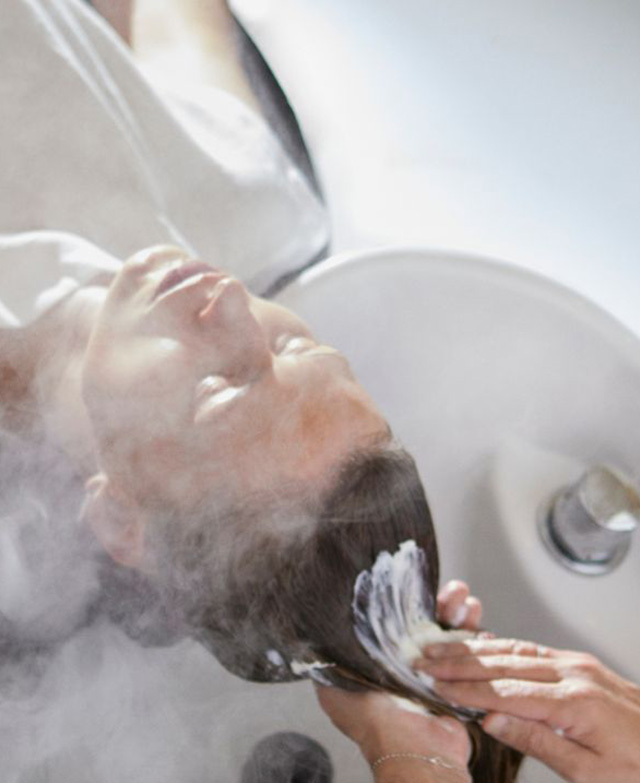
By reducing inflammatory signalling on the scalp, you effectively remove one of the triggers for early shedding. Targeted scalp treatments are the best way to reduce this inflammatory load, clear residue that may be blocking follicles, and restore a healthy microbiome.
“Improved circulation is another key part of retention, as blood flow supplies oxygen and nutrients required to maintain active growth. When circulation is compromised, follicles can become less efficient, shortening the growth phase,” adds Vila Nova.
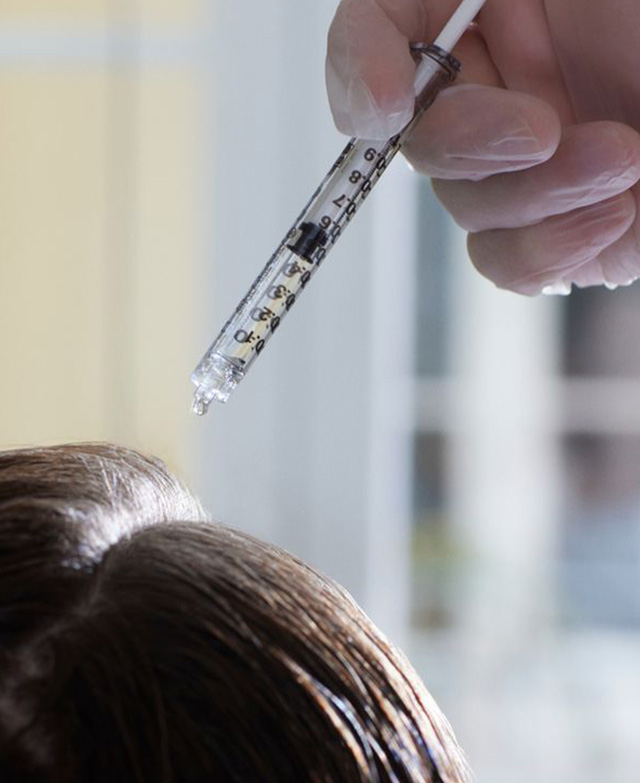
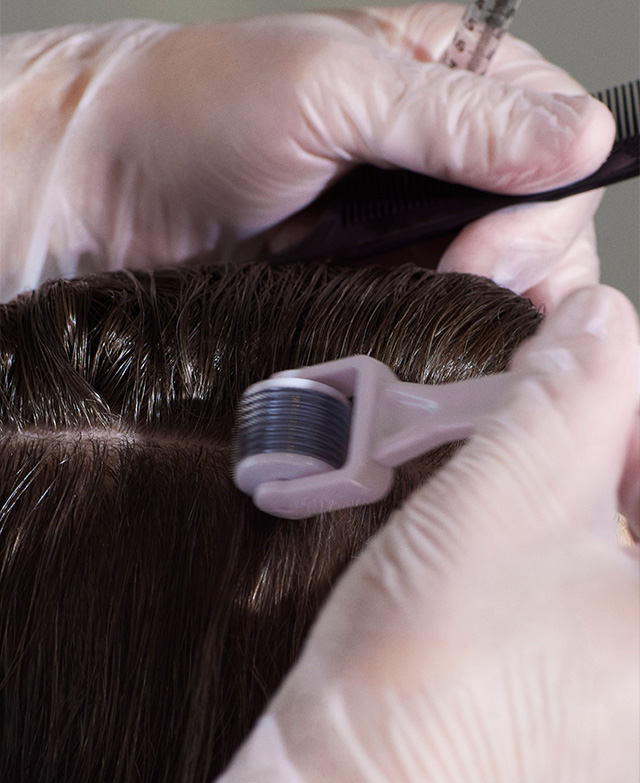
To support this, targeted in-clinic treatments can be performed to stabilise the follicle environment and extend the growth phase. “Scalp detoxification helps remove build-up and rebalance the microbiome, reducing low-grade inflammation that can trigger early shedding. Microneedling supports circulation and improves nutrient delivery to follicles, while low-level laser therapy helps optimise each follicles energy supply, encouraging them to remain in the growth phase for longer. In more advanced cases, my personalised retention treatments that combine microneedling or mesotherapy with a targeted blend of vitamins, minerals and peptides can halt hair loss and have a significant impact on retention,” shares Vila Nova.
It can be tempting to take matters into your own hands and try at home scalp treatments or LED devices. But Vila Nova warns that, “red light in certain cases can actually overstimulate your follicles. This overstimulation can accelerate hair fall; therefore, it is important to be guided by a team trained to evaluate your scalp and perform the right treatments at the right time.”
Stimulation explained
Throughout life there will be times where your follicles will stop operating at full capacity. Postpartum shedding, menopause, rapid weight loss, illness or significant stress can all push follicles into a prolonged resting state or trigger miniaturisation, where strands grow back finer and weaker.
“In these cases, stimulation becomes a necessity,” says Vila Nova. “Hair growth depends on cellular activity within the follicle, particularly in the dermal papilla, where signals for growth are generated. Reactivating that activity requires improving both the supply of nutrients and the signalling pathways that tell the follicle to re-enter the growth phase,” he adds.
Stimulation is all about restoring function within the follicle. You’re essentially increasing metabolic activity, improving blood supply, and enhancing the signals that initiate growth.
“Treatment wise, microneedling increases growth factor release and enhances the penetration of regenerative compounds. It also aids blood circulation, which is useful as increased blood flow improves the delivery of glucose, amino acids and oxygen, all required for hair growth. The likes of messenger biosomes filled with growth boosting ingredients, and platelet-rich plasma (PRP) – that delivers a concentrated source of growth factors to help cells multiply and improve blood flow around the hair follicle – are beneficial too. However, just like our approach to retention our first step when it comes to stimulating hair growth is to introduce the scalp to a personalised blend of vitamins, minerals and peptides,” explains Vila Nova.
Circulatory support remains central to stimulation support, as Increased blood flow improves the delivery of glucose, amino acids and oxygen, all required for keratin production. Without that supply, even a stimulated follicle cannot sustain robust growth.
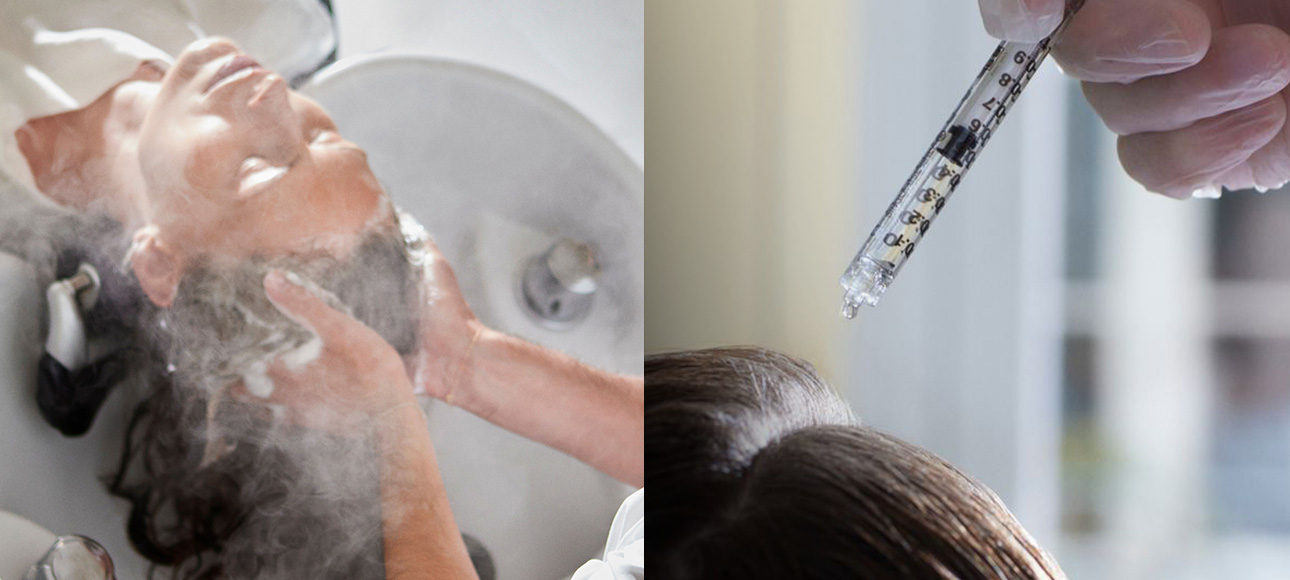
Steam is also a big player when it comes to treating the hair and scalp. “Steaming the hair and scalp can also be hugely beneficial to increase scalp permeability. Softening the outer layer of the skin allows active ingredients to penetrate more effectively, ensuring that treatments reach the level at which follicles operate,” adds Vila Nova.
A tailored approach
That distinction, between retention and stimulation, sits at the core of how hair is managed at 212.2 Ricardo Vila Nova. “At a biological level, hair growth is governed by the duration of the anagen phase and the timing of the transition into shedding,” explains Ricardo Vila Nova. “If follicles are being pushed prematurely into the resting phase, you see increased shedding. If the growth phase shortens, density declines over time. The role of treatment is to intervene and support the cycle, but not fully override it.”
At 212.2 Ricardo Vila Nova, each treatment strategy is bespoke, so whether you’re navigating visible change after weight loss, during menopause, or following periods of stress, the level of personalisation is what allows results to feel consistent rather than unpredictable.
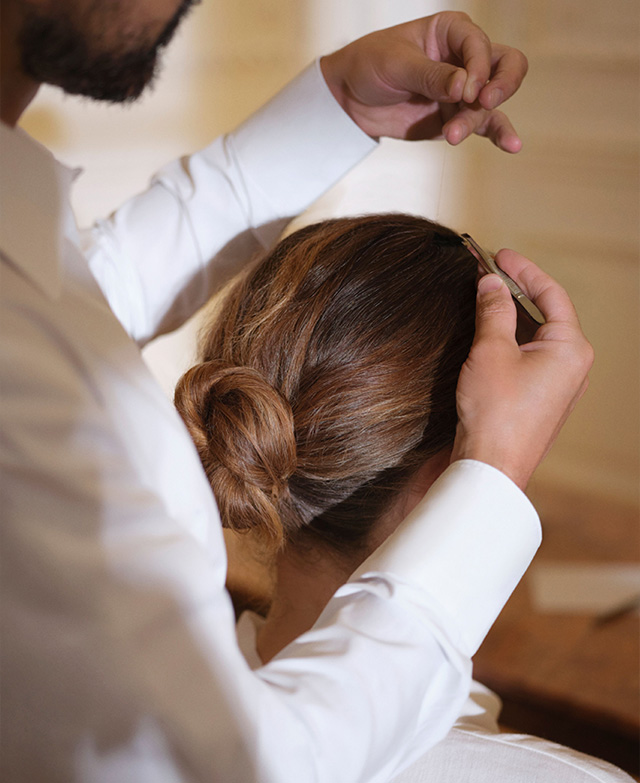
To explore a tailored approach to managing hair growth and retention, book a consultation using the link below.

