
Grey hair has a reputation for being inevitable, you hit your 40’s and greys will start to appear, right? Wrong. In reality, grey hair is far less predictable.
Some people notice a gradual softening of the intensity of tone before individual greys become obvious, while others see sudden clusters appear. And it’s that inconsistency is a sign that greying isn’t a single event, it’s an evolving change in how the follicle functions over time.
“Pigment production depends on melanocytes within the follicle,” explains Ricardo Vila Nova. “These cells produce pigment, aka your hair colour, and are active during the growth phase of the hair cycle. When their activity becomes inconsistent, the hair emerges with less pigment. So, ehat you see externally is simply the visible result of that change.”

Do men and women grey differently?
At cellular level, the greying process is the same in both sexes. Over time, melanocytes produce less melanin, and the hair begins to grow through without colour. Where things diverge is in how that shift presents and what influences it along the way.
“Men tend to notice greying earlier, often beginning at the temples or within facial hair, while women are more likely to experience a diffuse colour change across the scalp before distinct grey strands can be seen. Hormonal fluctuations add another layer, particularly during perimenopause and menopause. This is when oestrogen levels decline and that decline can impact the hair cycle, as well as density, texture, and pigment production – which is why colour changes often appear alongside changes in hair quality,” explains Vila Nova.

Genetics vs lifestyle
Genetics has a massive impact on if and when you’ll go grey, but lifestyle practices can dictate when greying starts and the pace at which it progresses. So, if early greying runs in your family, it is likely to show up sooner rather than later if you don’t intervene.
“When it comes to lifestyle factors, oxidative stress is one of the more significant contributors. It occurs when unstable molecules, known as free radicals, build up faster than the body can neutralise them,” shares Vila Nova. This imbalance is often triggered by prolonged stress, poor sleep, inflammation and nutritional deficiencies in vitamin B12, iron, copper and certain amino acids as these affect the biochemical pathways involved in melanin production.
“In the hair, this affects the pigment-producing cells, reducing their ability to function efficiently. Because these cells are highly active, they are more vulnerable to disruption, which is why lifestyle factors can accelerate visible greying,” adds Vila Nova.
Greying isn’t linear
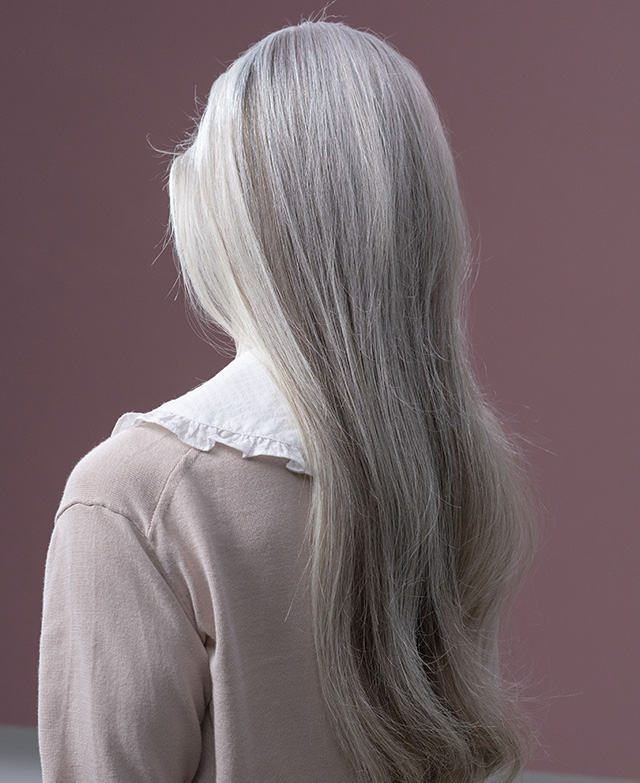
Interestingly greying doesn’t always occur in a clean, one-directional shift. It is entirely possible for a single strand to show variation in pigment along its length, with sections appearing lighter or darker depending on what was happening within the follicle at the time that portion of hair was formed.
This banding effect is often seen after periods of physiological stress, illness or surgical intervention, including hair transplantation. During these phases, melanocyte activity can be temporarily disrupted, leading to hair growing with reduced or absent pigment.
“Pigment loss can fluctuate before it becomes permanent,” says Vila Nova. “If melanocytes remain viable, there is potential for function to return once the underlying stressor is resolved. Once those cells are depleted, however, the follicle can no longer produce colour,” explains Vila Nova.

How to delay greying
Delaying your greys is possible, as before you go grey there is often a window where the follicle can be supported in a way that helps maintain pigment production for longer.
Internally this involves reducing oxidative stress and ensuring the body has the nutrients required for efficient cellular function. Externally, its necessary to create a balanced and healthy scalp environment that does not accelerate decline.
To get this right product build-up, excess sebum or microbial imbalance – which all contribute to low-grade inflammation, that over time interferes with normal function – must be addressed.
Greying treatments
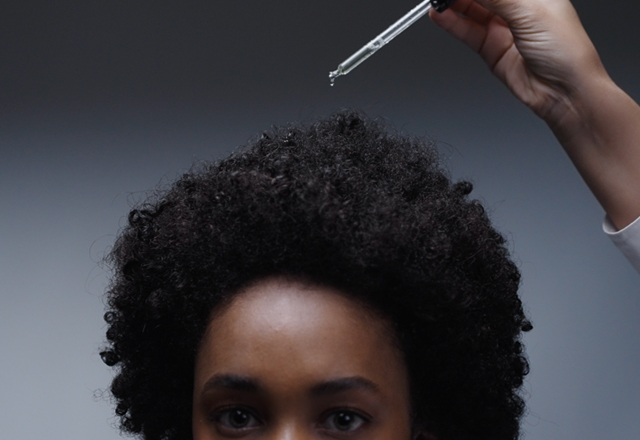
In-clinic treatments can support normal function and help preserve the follicle’s ability to produce pigment to ward off greys. “Circulation plays a central role here. Hair follicles require a consistent supply of oxygen and nutrients to sustain both growth and pigment production, and when that supply is compromised, both processes can become less efficient,” says Vila Nova.
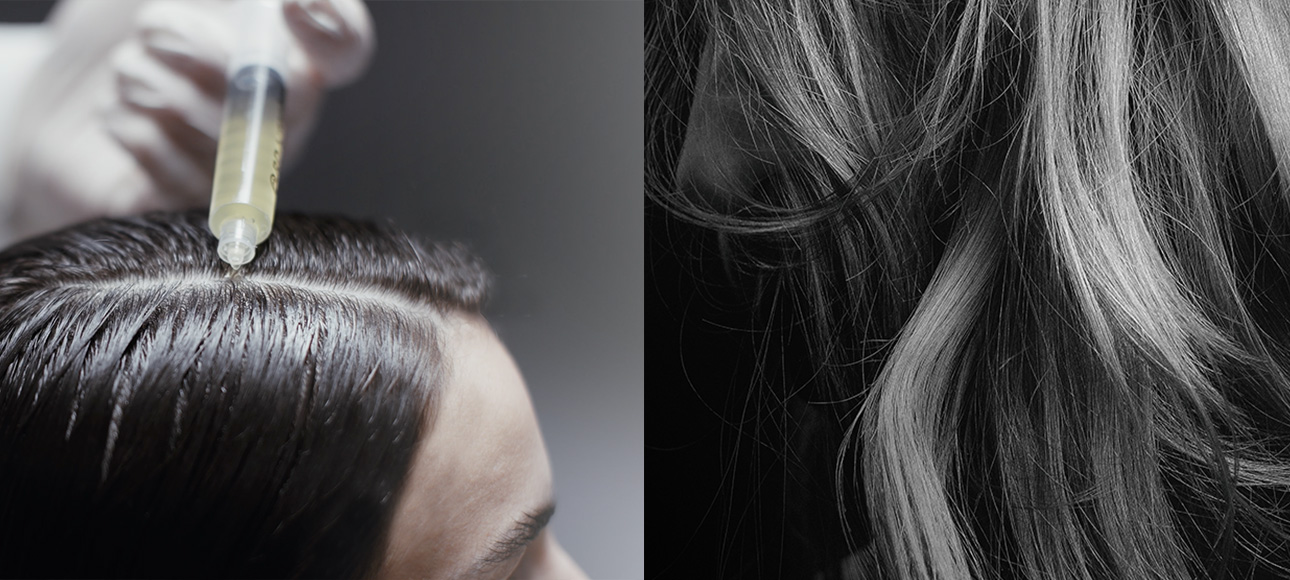
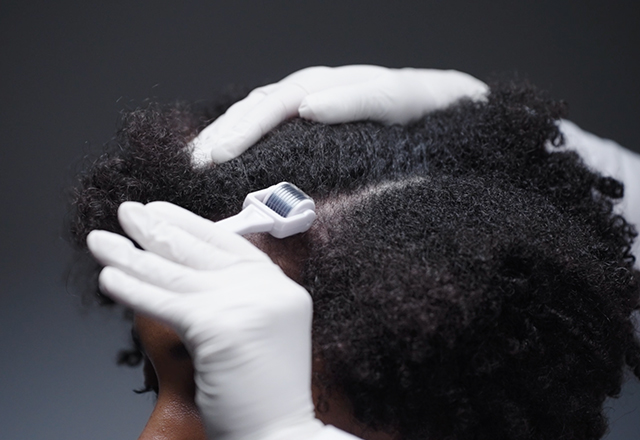
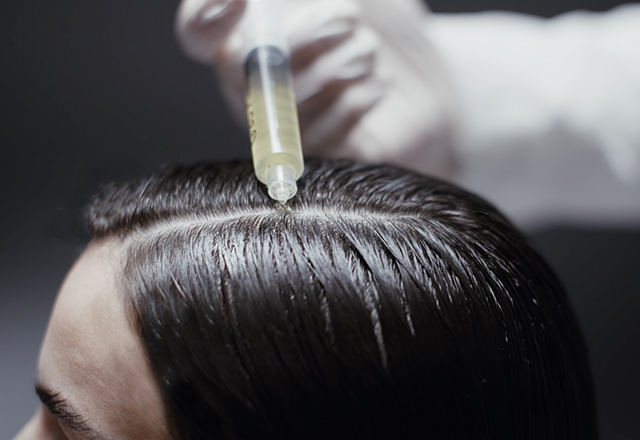
Microneedling is a great option for stimulating local blood flow as well as triggering a repair response within the scalp, which in turn improves the delivery and absorption of active ingredients. Over time, this can enhance how responsive the follicle environment is to other treatments like platelet-rich plasma (PRP), which introduces growth factors that support cellular activity and tissue health around the follicle, reinforcing the ideal conditions required for colour to stay put.
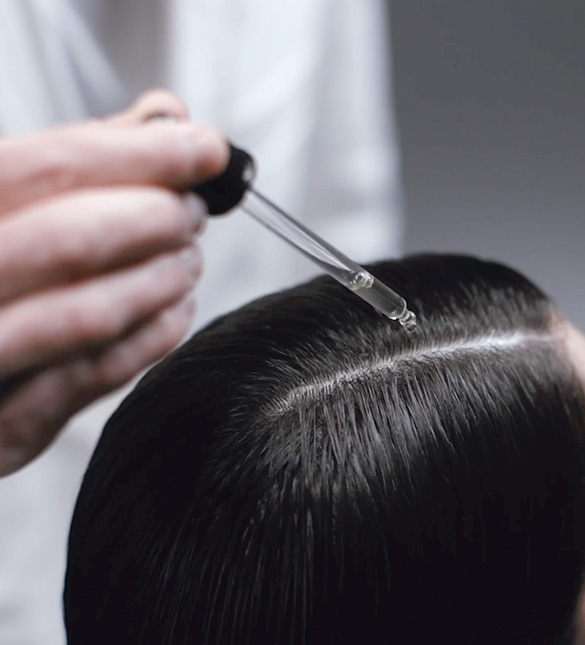
At 212.2 Ricardo Vila Nova, scalp treatments also include tailored topical formulations designed to deep cleanse, support hydration, barrier integrity and nutrient delivery. “Supporting the follicle is about maintaining its environment,” Vila Nova explains. “If that environment remains stable, the follicle is able to function at its highest capacity for longer, including its ability to produce pigment.”
Slowing the process
Grey hair remains part of the natural ageing process, but understanding that there’s lots you can do to protect your hair from going grey will completely change the trajectory of your hair. At 212.2 Ricardo Vila Nova, the approach to greying is built around assessing what the follicle is doing in real time and responding accordingly, because while greying cannot always be avoided, the pace at which it happens is often more flexible than it first appears.
To discover the status of your follicles, book in for a Hair DNA Scan and consultation at 212.2 Ricardo Vila Nova, book a consultation using the link below.