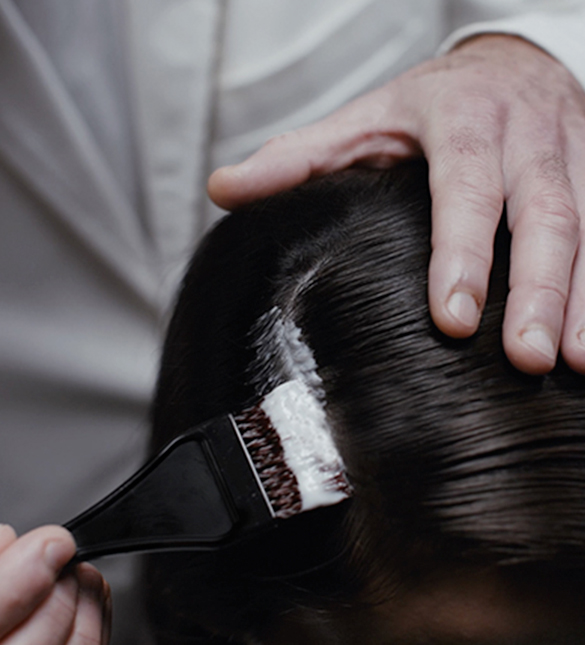

Peptides have been at the forefront of advanced skincare for years. You’ll find them in everything from serums, and moisturisers to eye creams and masks, ready and waiting to improve the quality of your skin.
Now, we’re seeing them used in haircare, but how do they work when it comes to hair health? Ricardo Vila Nova shares all.
Peptides explained
Peptides are short chains of amino acids – the building blocks of protein. Our hair is almost entirely made of the protein keratin, making peptides a welcome addition to the haircare market. Applied topically, peptides signal the scalp and its follicles to create proteins, which help reinforce the hair’s structure and, depending on the formulation, create the conditions needed for healthier growth.
“Peptides are a broad category, not a single ingredient. Meaning they do different jobs. Signal peptides prompt cells to trigger specific biological responses. Carrier peptides deliver trace minerals to follicles. Neurotransmitter peptides can reduce scalp issues that contribute to shedding,” explains Vila Nova. So, it’s possible to hone in on your individual needs and choose the peptides that work best for you.
Peptides and hair growth
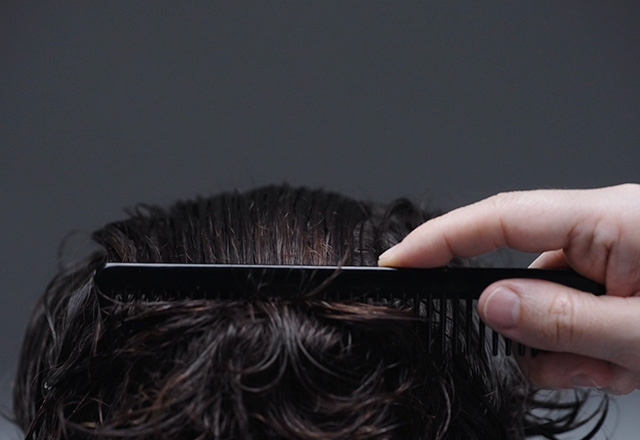
“The effect of peptides on hair growth is often compared to training at the gym,” says Vila Nova. “Just as muscle growth requires protein and metabolic enhancers, hair growth benefits from peptides only when follicles are active. Peptides cannot restore genetically reduced cuticle production, but they can significantly improve density, length, and strength in existing follicles, making hair appear thicker and healthier,” he adds.
So, for anyone hoping peptides will reverse significant hair loss or restart dormant follicles – you’ll be disappointed. “Where they do deliver is in optimising the follicles already in play. If you’re experiencing breakage, reduced density, or slow growth – peptides can offer real improvement with consistent use,” reveals Vila Nova.
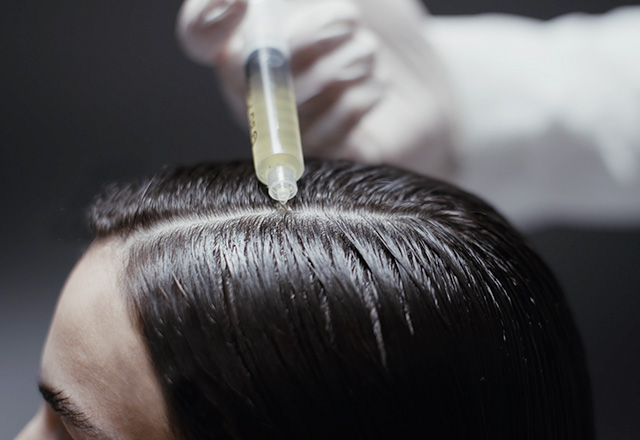
Peptide routines
In hair care routines, peptides are often present in daily-use scalp serums, pre-shampoo treatments or conditioning products used after shampooing,” explains Vila Nova.
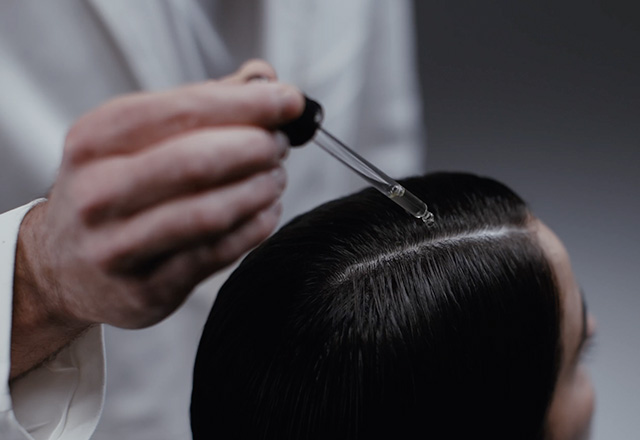
Pre-shampoo application gives peptides time to absorb before cleansing interferes. Post-wash conditioning works better for those whose focus is strand strength and moisture rather than scalp stimulation. For growth and density concerns specifically, a scalp serum applied directly to the roots gets peptides closest to where the work needs to happen.
The personalised 212.2 Active Fusions offered at 212.2 Ricardo Vila Nova include a host of hair health boosting actives, including peptides should you need them. “Our products can be used regularly and not only help strengthen the hair but also contribute to preserving its natural hydration, leaving it healthier and more balanced over time,” explains Vila Nova.
The grease concern
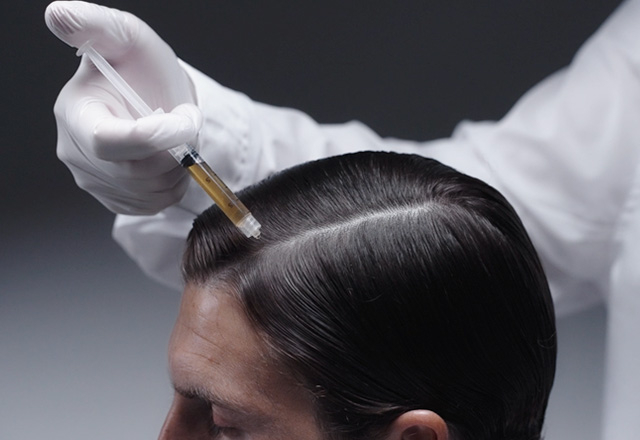
A quick google or social media search will throw up the issue around peptides and greasy hair. “Some people claim that peptides make their hair greasy. This usually only happens if the concentration is too heavy or the product is overused,” says Vila Nova. “In such cases, peptide-rich products can be applied more sporadically, say, once or twice a week, to avoid greasy tresses,” explains Vila Nova.
This could be a valid concern if you have fine hair, but the fix here isn’t avoidance – it’s using a lighter formula, less frequently and seeing how your hair responds.
Hair types that benefit most
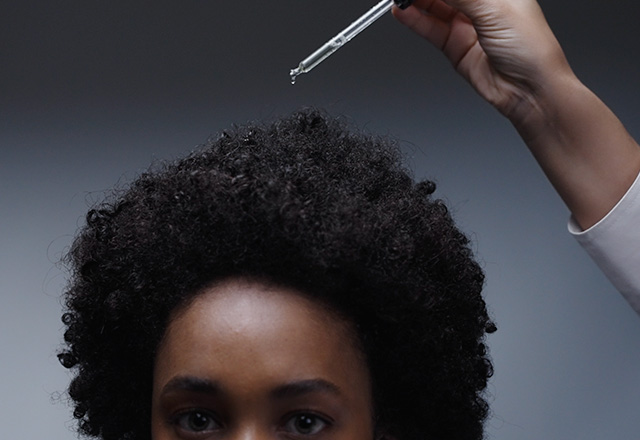
Vila Nova concurs, as he claims that, “certain hair types truly benefit from adding peptides into their routine. This includes fine hair prone to breakage, hair that lacks growth or density, and hair with a tendency toward split ends. These hair types often show noticeable improvements in strength and resilience when peptides are used consistently,” he shares.
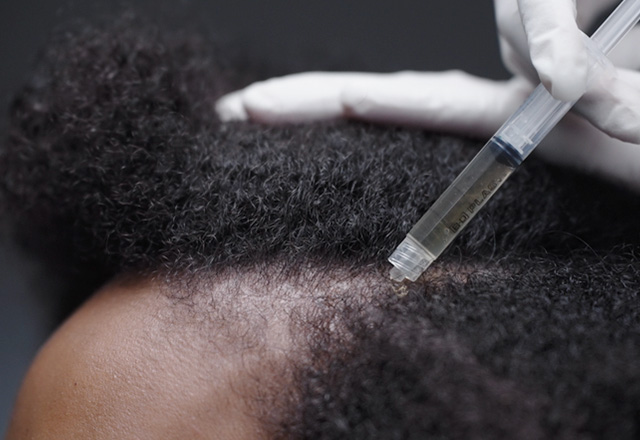
Fine hair gains the most obvious wins, think less breakage, better length retention, and more visible density without artificial thickening agents doing the heavy lifting. While textured hair is another strong candidate. “Textured hair benefits from the balance between hydration, elasticity, and protein bonding treatments, and for this hair type peptides work best when paired with ingredients that maintain moisture and flexibility in the hair fibre,” he explains. Curly and coily hair have natural vulnerability points along the shaft where the curl bends, and that’s where breakage tends to occur. Peptides used alongside the right moisturising ingredients reinforce those weak points without pushing the protein-moisture balance toward brittleness, which is the risk with heavier protein treatments.
Peptides in clinic
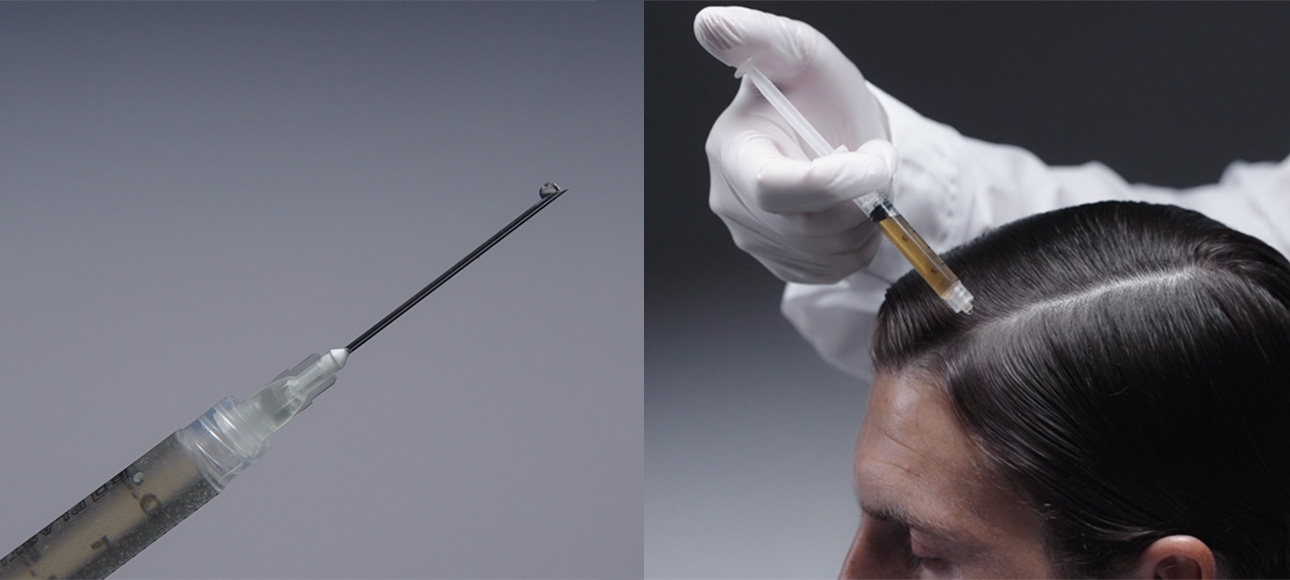
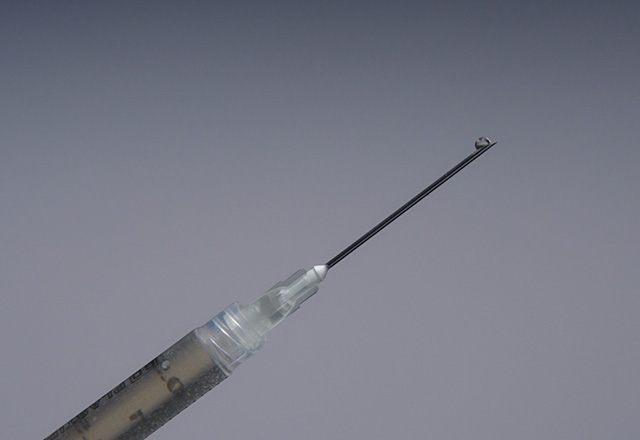
At 212.2 Ricardo Vila Nova, peptides are used as a growth booster instead of hormonal medication. They are applied by way of microneedling.
As the name suggests this treatment involves using ultra-thin sterile needles (that measure anywhere from 0.5-1.5mm in length) to create micro-injuries that force the skin to produce more collagen, elastin and growth factors in a bid to repair – as well as create microchannels for the peptides to reach your follicles with ease.
“Not only that, microneedling helps boost blood flow, which facilitates the movement of much needed hair building nutrients and oxygen to each and every hair follicle. Combine that with the power of peptides and you’ll see significant improvements in growth and overall hair quality,” adds Vila Nova.
Consistency over speed
Our hair growth cycle runs over months, which means changes to density and strength don’t show up overnight. Vila Nova’s gym analogy is apt: you don’t see the results of one session, you see the results of showing up consistently over time.
Peptides make for a no brainer when it comes to improving your overall hair health and growth, making them ideal for all hair types. But for those with fine, textured, or brittle strands peptides are a must.
To discover the best treatment plan and haircare routine for your menopause hair, book a consultation using the link below.