
For models, presenters, actors and anyone whose work places them in front of a camera, hair is rarely given a day off.
Blow-dries before call time, hot tools between takes, repeated colour changes for campaigns, and strong hold products under hot studio lights are all part of being on screen. And while the result is polished, camera-ready hair, beneath the surface, cumulative stress can quietly take hold.
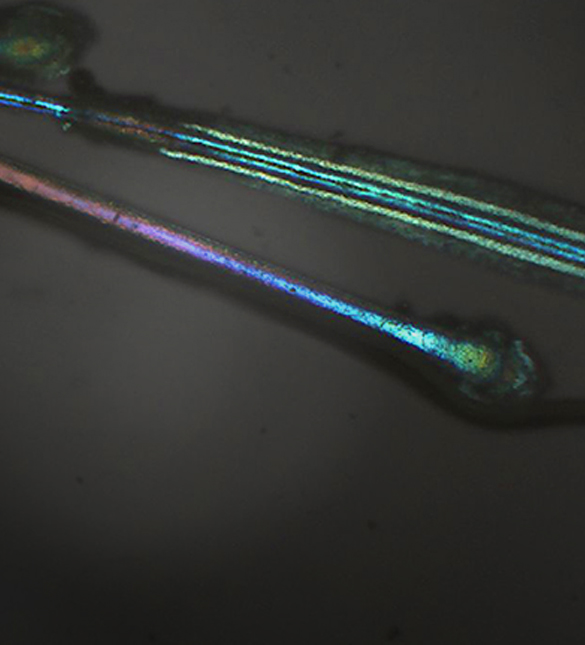
“Unlike acute damage caused by a single chemical treatment or a heat mishap, occupational styling damage tends to develop gradually. Repeated heat exposure, chemical processing and mechanical tension create micro-traumas within the fibre and around the follicle. Over time, this weakens the hair’s structure and alters the scalp environment that supports healthy growth. Hair may still look glossy under lights, yet moisture retention, structural integrity and follicular health are being steadily compromised,” reveals trichologist Ricardo Vila Nova.

Styling damage explained
Heat styling is one of the most significant contributors to long-term fibre deterioration. Temperatures above 180°C begin to degrade keratin proteins and weaken the disulphide bonds that give hair its strength. Repeated exposure also strips away the lipid layer responsible for moisture retention, leaving strands porous, dehydrated and prone to breakage.
“Chemical based treatments especially bleaching, lightening and frequent colour changes which are often necessary for onscreen roles can further disrupt cuticle integrity. When the protective outer layer is repeatedly lifted, hair becomes increasingly porous, loses elasticity and can struggle to retain hydration,” explains Vila Nova.
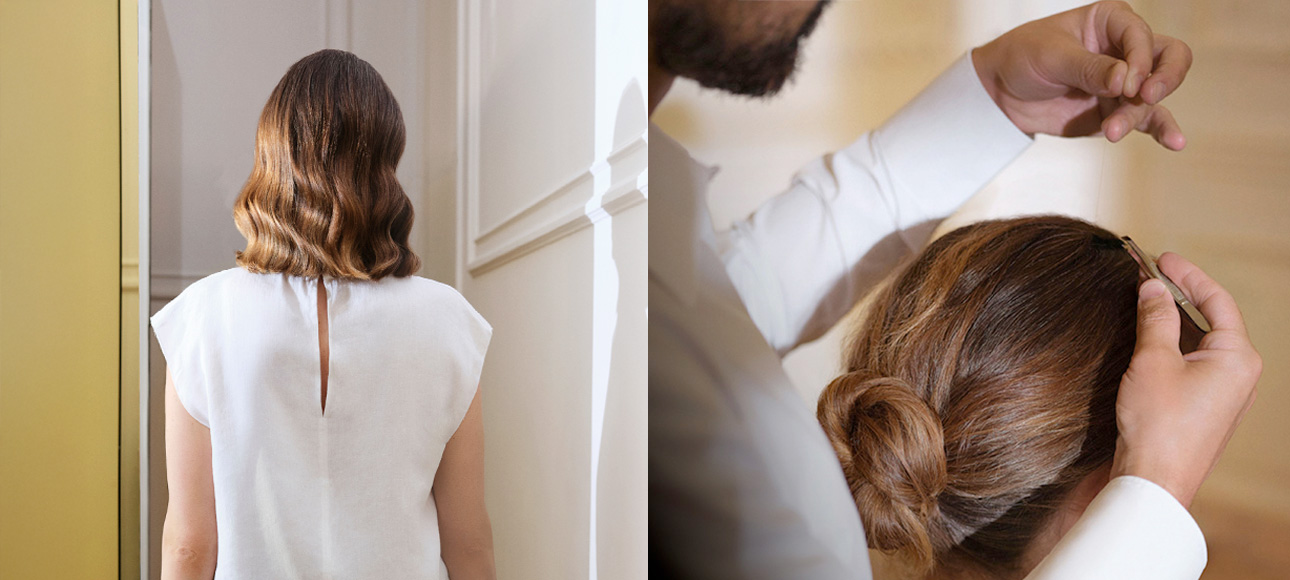
Mechanical stress caused by the likes of tight ponytails, extensions, slicked back styles and repeated backcombing create sustained tension at the follicle. These combined with styling products and limited cleansing between shoot days, can lead to congestion and inflammation of the scalp.
“The scalp is fundamental to hair quality. When products build-up, and environmental pollutants accumulate around the follicle opening, inflammation and congestion of the follicle hinders our ability to grow strong, healthy fibres,” reveals Vila Nova.
Why damage takes time to show
Hair growth occurs in cycles, which means it doesn’t respond to stress in real time. Disruption to the follicle or weakening of the emerging fibre may only become apparent months after the triggering stress has occurred. Periods of intense styling, repeated heat exposure or chemical processing can prematurely shorten the growth phase, while inflammation or congestion at scalp level can compromise the quality of the hair as it forms. Resulting in strands that are weaker, finer and more fragile.
“This delayed response means clients frequently present after demanding work periods with increased shedding, mid-shaft breakage and hair that struggles to gain length. Texture is often rougher and strands usually appear dull under natural light, while the scalp can become more reactive, tight or sensitive due to ongoing irritation and product accumulation. Over time, density may subtly reduce, particularly around the hairline and temples where follicles are more vulnerable to traction and repeated styling tension,” shares Vila Nova.
These are the results of a cumulative effect of repeated micro-trauma and an environment that is no longer optimal for growth. The priority is not simply to repair the fibre, but to restore a healthy scalp environment and support the follicle so that new hair emerges stronger, thicker and more resilient.

Protective strategies
For professionals whose appearance is integral to their work, eliminating hair styling is unrealistic. Instead, reducing cumulative stress while preserving fibre integrity becomes essential.
“Lowering tool temperatures wherever possible and ensuring heat protectants are applied evenly can significantly reduce protein degradation. Allowing hair to cool between passes limits repeated thermal stress. It’s also worth alternating styles and avoiding sustained traction to help protect vulnerable follicles, particularly around the hairline,” reveals Vila Nova.
Barrier-repair treatments and bond-building formulations help reinforce structural integrity and reduce moisture loss, while deep cleansing to remove product build-up supports scalp balance and microbiome health. Where schedules allow, brief recovery periods between shoots can help restore hydration and calm scalp irritation.
Clinical treatments that support resilience and regrowth
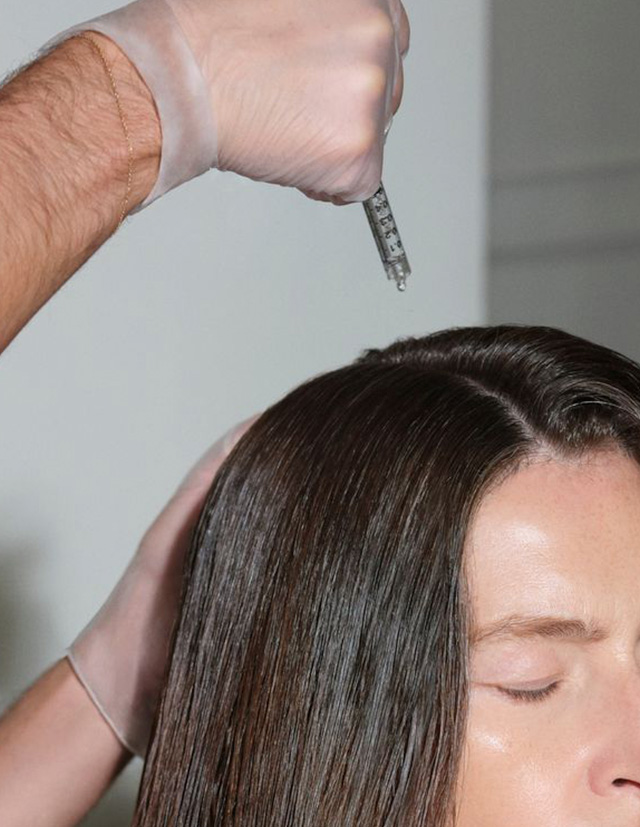
Targeted clinical treatments can majorly assist in preserving hair quality and supporting long-term density. Vila Nova shares his favourites…
Scalp detoxification removes product residue, excess sebum and environmental pollutants while restoring scalp equilibrium. This improves follicular efficiency and reduces inflammatory stress.
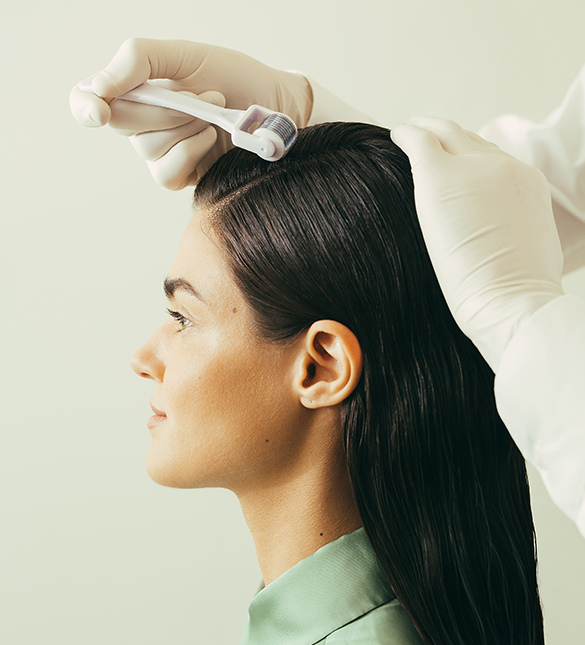
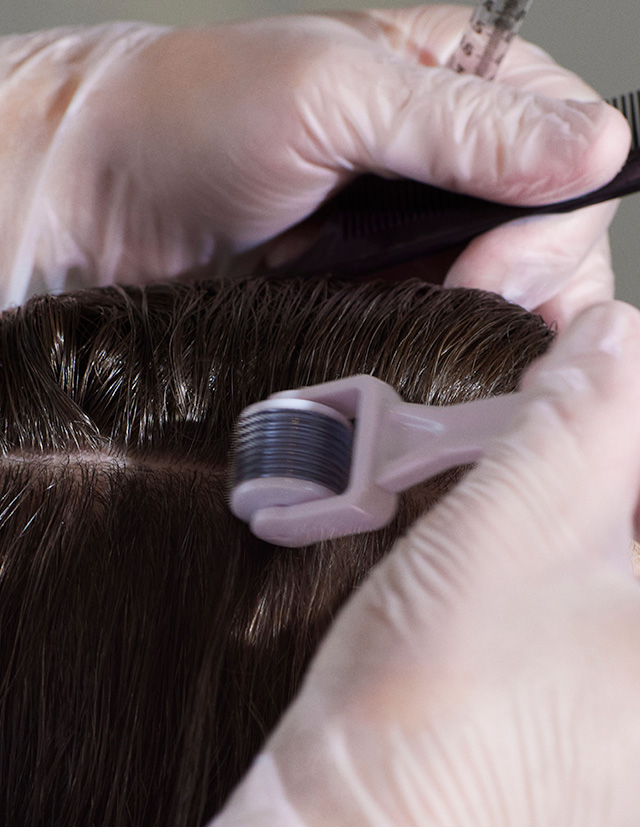
Microneedling enhances circulation, supports collagen production and improves the delivery of topical actives to the follicle. This helps create an environment in which hair can grow stronger and more consistently.
Biosome therapy delivers bioactive growth factors, peptides and regenerative signalling molecules that support follicular vitality, cellular repair and a healthy growth cycle.
Low-level laser therapy uses light to support cellular energy production within follicles, helping extend the growth phase and improve density over time.
Maintaining camera-ready hair
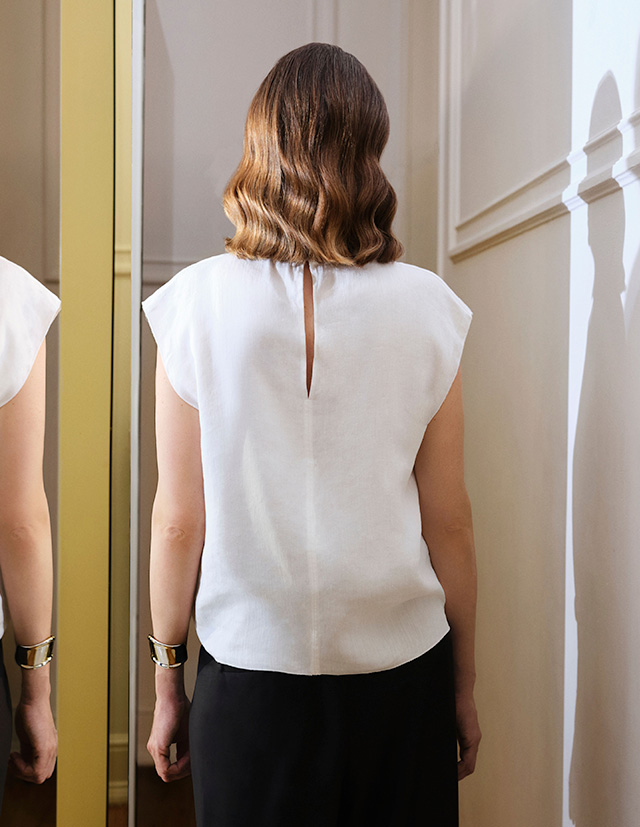
Preserving hair health in those who work in front of the camera requires preventative care, early intervention and consistent scalp support. Regular assessments and tailored treatment plans help mitigate cumulative damage while maintaining camera-ready hair. “Even when styling demands are high, the right protective strategies and clinical support can preserve density, strength and shine,” believes Vila Nova.
To receive a personalised plan that protects and strengthens your hair, book a consultation using the link below.