
Many of us are in the constant pursuit of healthy hair growth, but did you know that focusing on structure over speed is what will result in healthy, beautiful tresses long-term?
Length, density and shine are often treated as cosmetic, when in reality they are the result of a precise biological process that begins deep inside the follicle. If that process is disrupted, hair can continue to grow yet still appear fine, weak or unpredictable.
“Most people think hair quality is about products,” says Ricardo Vila Nova. “But hair density, growth rate and hair quality are all determined before the strand even reaches the surface. Hair that appears damaged is that way because it’s already been programmed, by elements like hormonal shifts, stress, illness or nutrient depletion,” reveals Vila Nova.
The anatomy of a hair strand
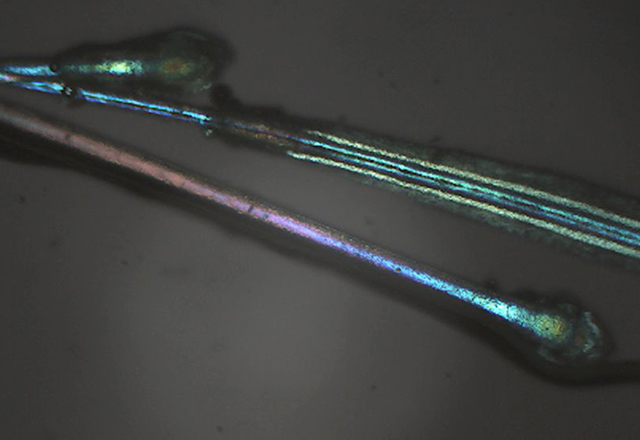
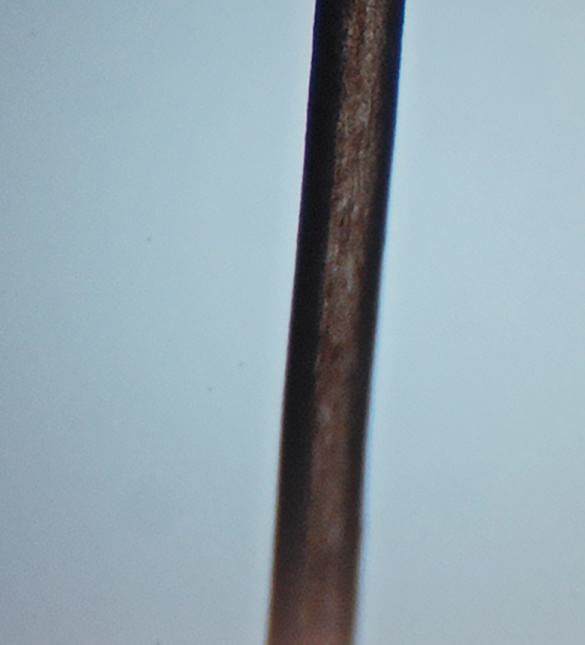
The cortex, is the structural core of our hair and is responsible for thickness, elasticity and tensile strength. “Encasing and protecting the cortex is the cuticle, a series of overlapping scales that protect the cortex and control shine, smoothness and moisture retention,” explains Vila Nova.
For strong, thick strands, both the cortex and cuticle must form correctly. “There are cases where the hair grows, but the structure is poor. You can have cuticle layers forming around a weak cortex, which creates hair that looks fine, flat and fragile. In other cases, the cortex is present but the cuticle does not form properly, leaving the hair exposed and prone to breakage,” shares Vila Nova.
This is why a normal growth rate can be deceiving, as some people whose hair grows just fine, experience hair that looks lacklustre and sheds and breaks easily.
Why structure weakens over time
Hair structure is shaped by what is happening inside the follicle during the growth phase. Hormones, blood circulation, inflammation and nutrient availability all influence how well the cortex is built and how neatly the cuticle forms.
Pregnancy is one of the clearest examples. Elevated oestrogen prolongs the growth phase and improves nutrient delivery to the follicle, often resulting in thicker, stronger hair fibres. After pregnancy, when hormone levels fall, the follicle environment changes abruptly, and newly formed hair may emerge finer or more fragile, even if growth continues.
“Menopause has a similar structural impact over time. As oestrogen declines, blood flow, collagen support and cellular energy within the follicle reduce. Hair may still grow, but the cortex can become weaker and the cuticle less uniform, leading to strands that lack density, shine and resilience,” says Vila Nova.
Chronic stress is another major disruptor. Elevated cortisol diverts nutrients away from non-essential tissues like skin and hair, interfering with keratin production while the strand is forming. This often results in hair that feels thinner, more brittle or inconsistent in texture.
“While environmental and internal toxins can leave hair looking and feeling like that too. Exposure to pollutants, smoking, certain medications and systemic inflammation can impair follicle function, affecting how well the hair fibre is built. In these cases, the hair may grow but struggle to retain strength or length,” adds Vila Nova.
Why faster growth doesn’t fix weak hair
Stimulating growth alone does not guarantee better hair. If the follicle is producing compromised fibres, encouraging it to grow faster can actually worsen breakage and thinning.
“Growth without structure is pointless. You don’t want faster weak hair. You want slower, stronger hair that can sustain length and density. This is where many topical products fall short. They may improve surface smoothness temporarily, but they cannot change how the strand was built,” Vila Nova explains.
Improving strands from the follicle up
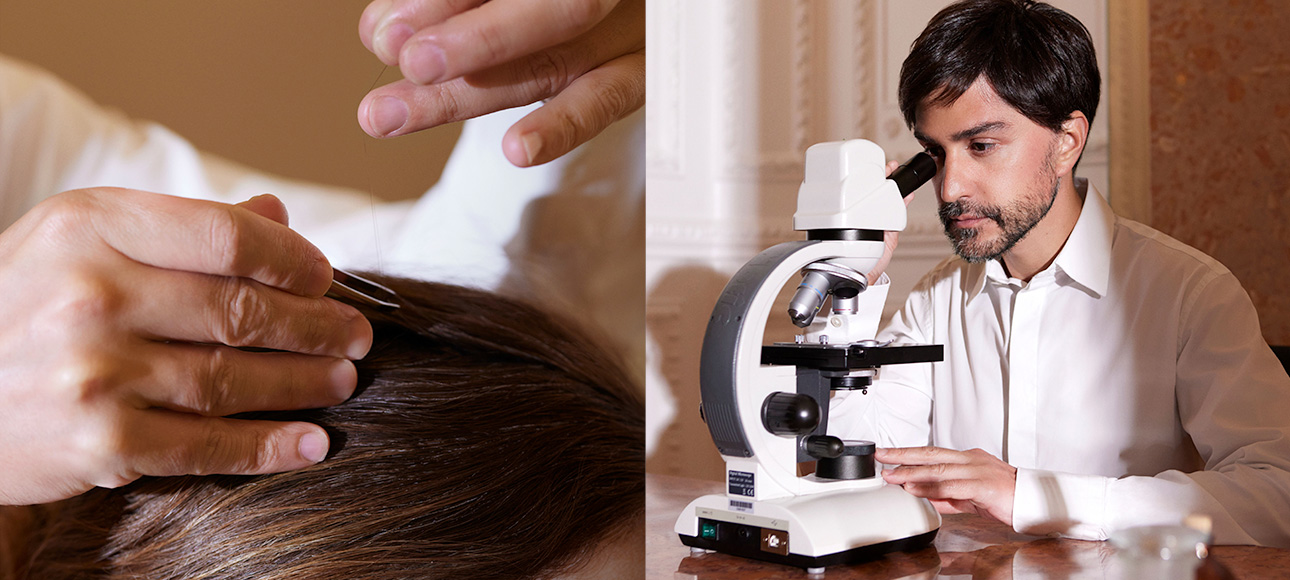
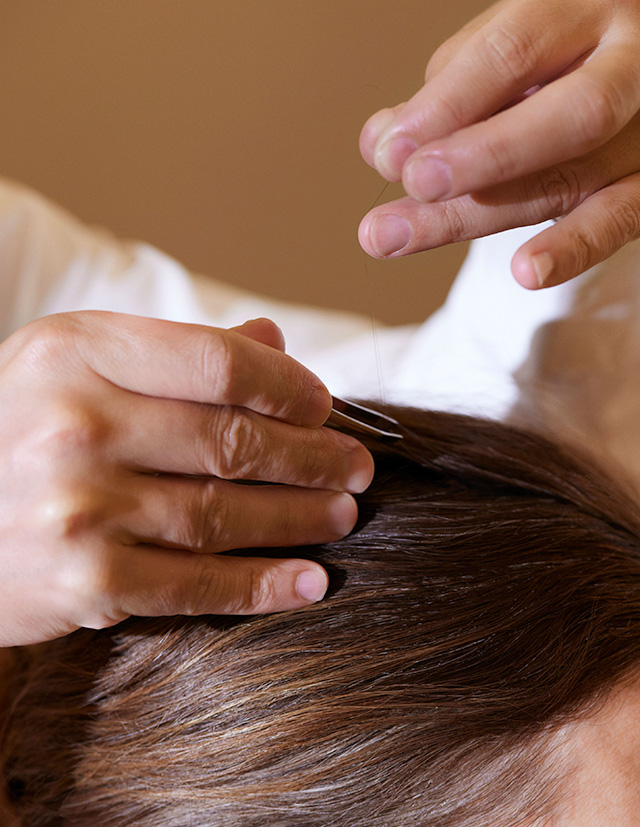
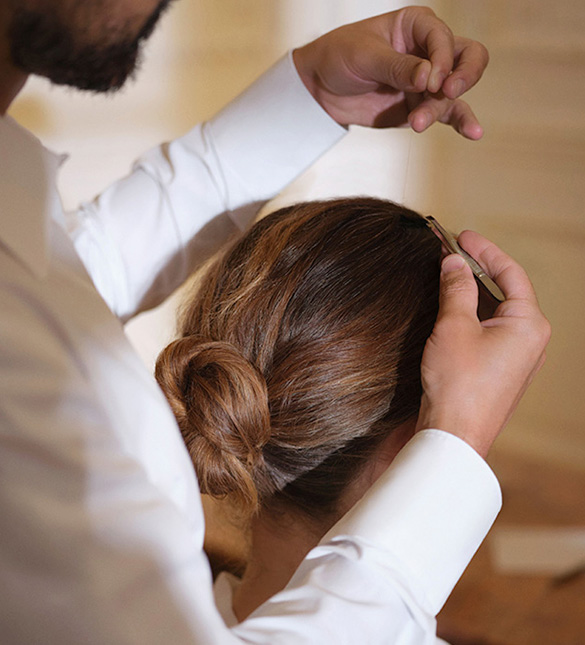
At 212.2 Ricardo Vila Nova, the focus is on improving hair at the point of formation. Every treatment plan begins with advanced diagnostics, including the Hair DNA Scan to understand how your follicles are functioning.
“One follicle may be struggling with inflammation, another with poor circulation, another with nutrient delivery,” says Vila Nova. “If you don’t identify the cause, you can’t improve the outcome.”
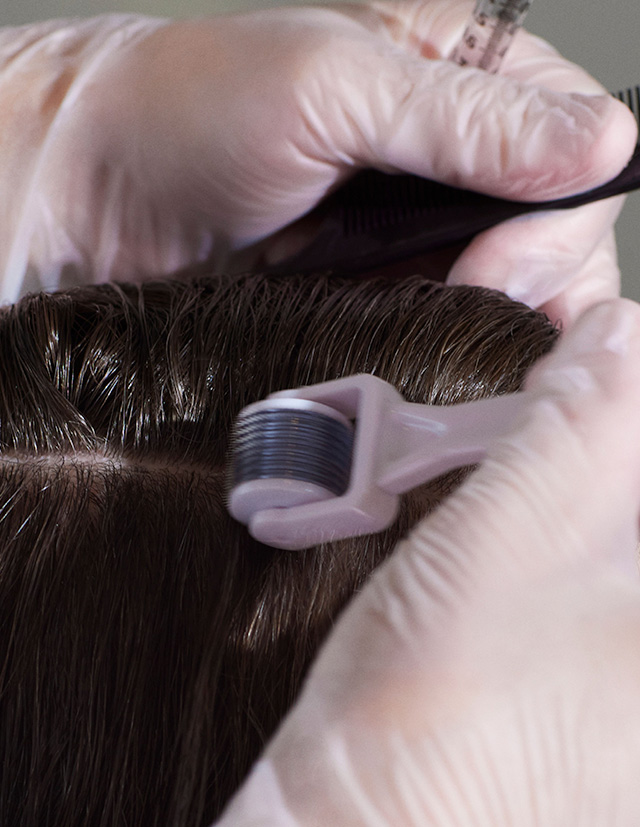
One of the most effective in-clinic approaches is microneedling, as it increases blood flow and stimulates growth factors within the scalp. When paired with personalised infusions of peptides, vitamins and biosome-derived regenerative signals, it supports healthier cortex formation and stronger cuticle development.
“Low-level laser therapy is another important tool. By increasing mitochondrial activity within follicle cells, we’re able to improve the energy available for keratin production, helping strands form with greater resilience and consistency,” adds Vila Nova.
Supporting structure
Since the health and structure of our hair is heavily influenced by lifestyle practices, it’s worth analysing yours to see what needs an overhaul. Protein, for example, provides the raw material for keratin, while iron, zinc, B vitamins and omega-3s support follicle metabolism. Ensuring you’re getting enough of them can make a huge difference to your tresses. Sleep is also key, as it regulates growth hormone, which is essential for tissue repair, while chronic stress undermines all of the above, making stress management crucial if you want to sport a healthy mane.
“Gentle handling is equally important. Excessive heat, friction and aggressive chemical processing can damage the cuticle faster than the follicle can produce strong fibres, creating the illusion of thinning even when growth is intact,” says Vila Nova. “That doesn’t mean heat styling or colouring should be eliminated, but it does mean that you need to be on top of your haircare and lifestyle practices so you don’t do extra damage to already weak strands,” he adds.
Structure over growth
Hair concerns are often framed around hair loss, but for many people the real issue is actually structural decline. Focusing on assisting hair formation (alongside growth) allows for a more precise, long-term approach, one that focuses on resilience rather than quick fixes.
“When you improve the environment the follicle is working in, the hair changes. Strands become thicker, stronger and more predictable. Healthy hair is not about forcing growth, it’s about giving follicles the conditions they need to build hair properly, strand by strand,” says Vila Nova.
To discover whether your strands need structural repair, book a Hair DNA Scan or book a consultation using the link below.